Creative Formats
Taste test, haul, restock: which food UGC format should you use?
Pantry Social Studio · June 8, 2026 · 6 min read
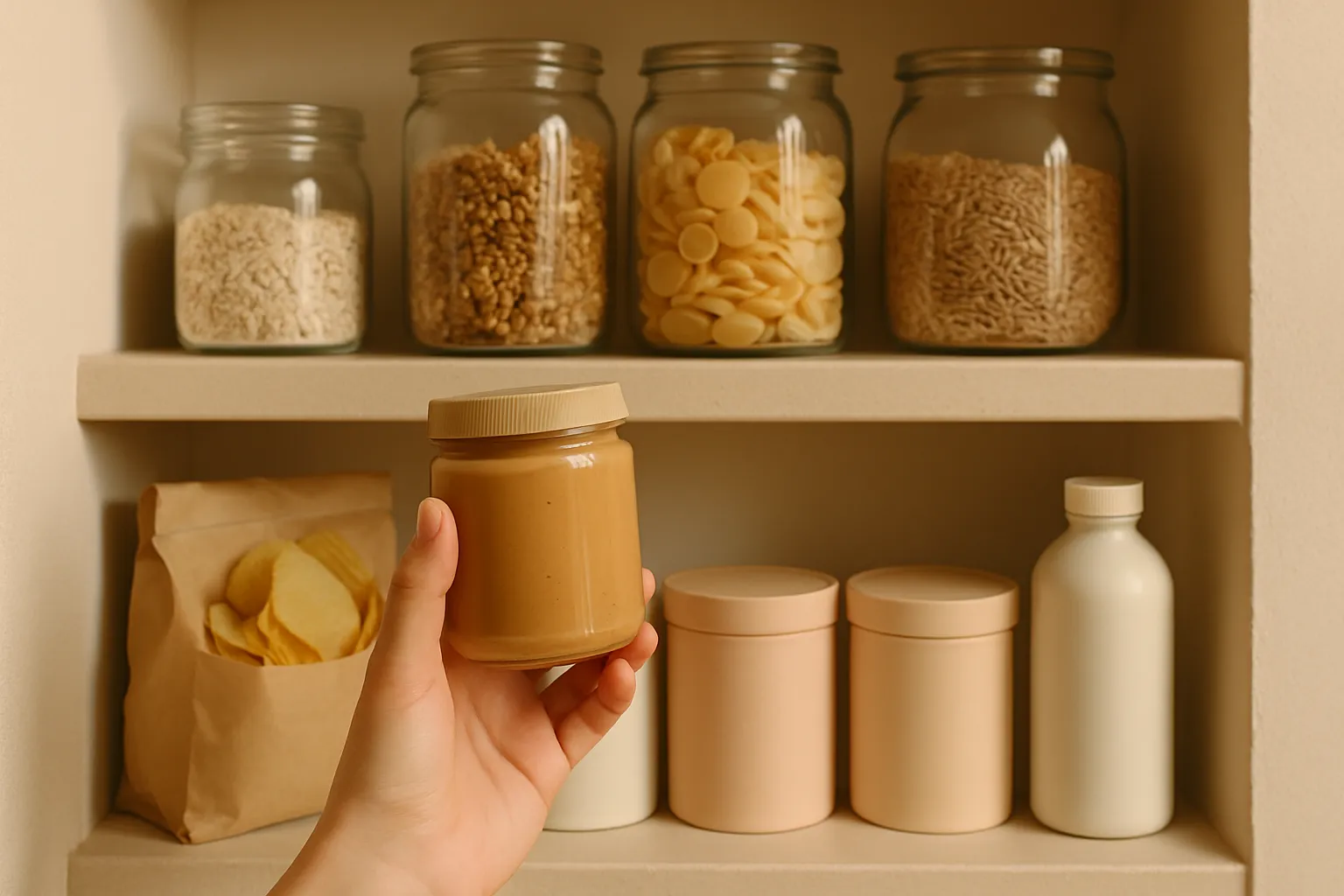
Match the format to the job: taste tests sell trial, hauls sell discovery, restocks sell loyalty, demos sell the use case, comparisons win the consideration.
Most food brands pick a format by vibe — “a haul feels fun, let’s do that.” But each food UGC format does a different job, and using the wrong one quietly wastes the spend. Here’s how we map the main formats to what they’re actually good at, so you brief the one that fits the goal.
Taste test — sells trial
The honest first-taste reaction. Best when you’re launching a new flavor or product and the barrier is “will I like it?” The value is believability, so don’t over-script it.
- Best for: new launches, new flavors, hero SKUs
- Needs: real reaction, texture and flavor language, a close-up bite
- Watch for: scripted “mmm so good” — it reads as an ad and underperforms
Grocery haul — sells discovery
Your product in a real basket, explained among other choices. Best when you want to be discovered in context and benefit from the creator’s credibility about how they shop.
- Best for: specialty grocery, pantry brands, retail and shelf context
- Needs: a genuine reason it made the cart, shown next to familiar items
- Bonus: name the store or aisle for findability
Pantry restock — sells loyalty
Restocking the staples someone relies on. Best for repeat-purchase products where the message is “this earns a permanent spot.” It signals habit, not novelty.
- Best for: pantry staples, condiments, tinned fish, beverages, refill products
- Needs: the “would rebuy” line, the spot it lives in the kitchen
- Great for: retention and subscribe-and-save messaging
Product demo & comparison — sell the use case and win consideration
Demos show the product working in a real moment; comparisons frame it against the alternative. Both are paid-social workhorses.
- Demo — best for: utility products, kitchen tools, no-cook uses; show the job done
- Comparison — best for: crowded categories; “this vs. what you use now” framed honestly
- Both: strongest as paid hooks when the first three seconds state the problem
A quick way to choose
When you’re unsure, work backward from the goal:
- Goal = trial → taste test
- Goal = discovery / retail context → grocery haul
- Goal = repeat purchase / loyalty → pantry restock
- Goal = explain the use case → product demo
- Goal = beat an incumbent → comparison
Written by the Pantry Social Studio team — a food-first UGC and creator studio working with grocery, snack, beverage, pantry, kitchen, and CPG brands. We brief and produce creator content for organic and paid social.
Related Pantry Notes
Creator Briefs
What snack brands should include in every UGC brief
A practical checklist for briefing snack reviews, taste tests, desk lunches, pantry restocks, and paid-social product demos.
5 min readFor brands
Food UGC Strategy
How to turn one grocery product into ten creator angles
A framework for turning a single product into hooks, use cases, household moments, and platform-ready content variations.
6 min readFor brands
Grocery & Pantry
Why specialty food brands need product-in-context UGC
For pantry staples, tinned fish, sauces, snacks, and condiments, context often matters more than polish.
7 min readFor brands
Brands: source food-first UGC
Tell us what you need and we'll help identify creator fits by category, format, style, platform, and usage.