Field Notes
Field Notes from the Pantry
Pantry Notes is a resource hub for food-first UGC: creator education, brand briefing guides, format breakdowns, usage-rights explainers, and category notes for grocery, snack, pantry, beverage, kitchen, and CPG teams.
Pantry Notes is a working library for food-first UGC — long-form guides, creator playbooks, and briefing frameworks built specifically for grocery, snack, beverage, pantry, kitchen, and CPG brands, plus the creators who shoot for them. Everything here comes from real production experience, not generic influencer-marketing advice.
Most generic UGC guidance falls apart on food. A snack has to look crave-able in the first second, a beverage needs the right light on the pour, and a pantry staple has to earn a spot in a real kitchen routine. Taste, texture, product handling, and the first three seconds matter more than polish — and usage rights have to be settled before anyone films.
For brands
Source and brief food-first creators
How to find UGC creators, write briefs that produce ad-ready content, choose the right formats, turn one product into ten angles, and handle usage rights and paid social.
For creators
Build a food UGC career
What a UGC creator is, how to start with no following, build a portfolio, find creator jobs, set rates, and shoot better food, grocery, and kitchen content.
Featured · Food UGC Strategy
The Ultimate Guide to Food UGC Strategy for CPG & Grocery Brands
A complete, food-first guide to food UGC strategy — how to brief, find, and test creators who make pantry, snack, and beverage products sell in real kitchens.
Pantry Social Studio · 13 min readFor creators & brands
Food UGC Strategy
The Pantry, Fridge, Cart, and Shelf: A Behavior Framework for Food UGC
Generic “make authentic content” advice fails food brands because it isn’t anchored to how people actually buy, store, and eat. Here’s the behavior framework we use to brief every piece of food UGC.
8 min readFor creators & brands
Food UGC Strategy
Retail-Velocity UGC: Content Built to Move Units, Not Just Impressions
Most food UGC is sold as authentic content that builds trust and measured on engagement. The harder, more valuable job is content built explicitly to move units at retail — briefed to the retailer calendar and read in velocity, new doors, and promo lift.
8 min readFor brands
Creative Formats
Food UGC Category Playbooks: Pantry, Cold Box, Snack, and Functional
Food UGC by category is the whole game. Pantry staples, cold-box RTD, impulse snacks, and functional products each need their own creator brief, format, and measurement — not one generic ”food & beverage” approach.
9 min readFor brands
Food UGC Strategy
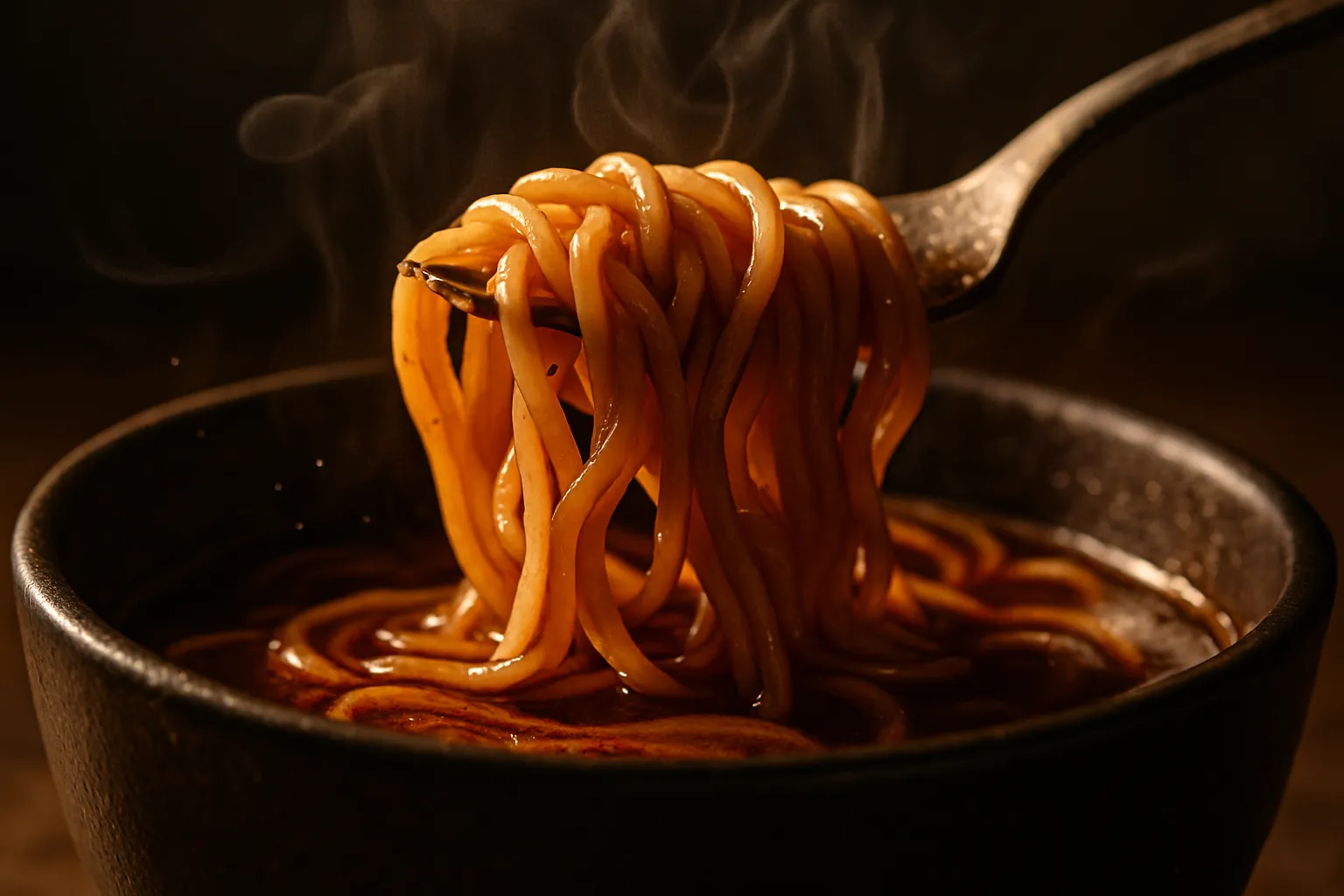
Sensory proof: the missing layer in food UGC and CPG ads
Appetite appeal is not decoration. It is the proof mechanism that earns the first three seconds, holds watch time, and builds belief before purchase.
9 min readFor brands
Food UGC Strategy
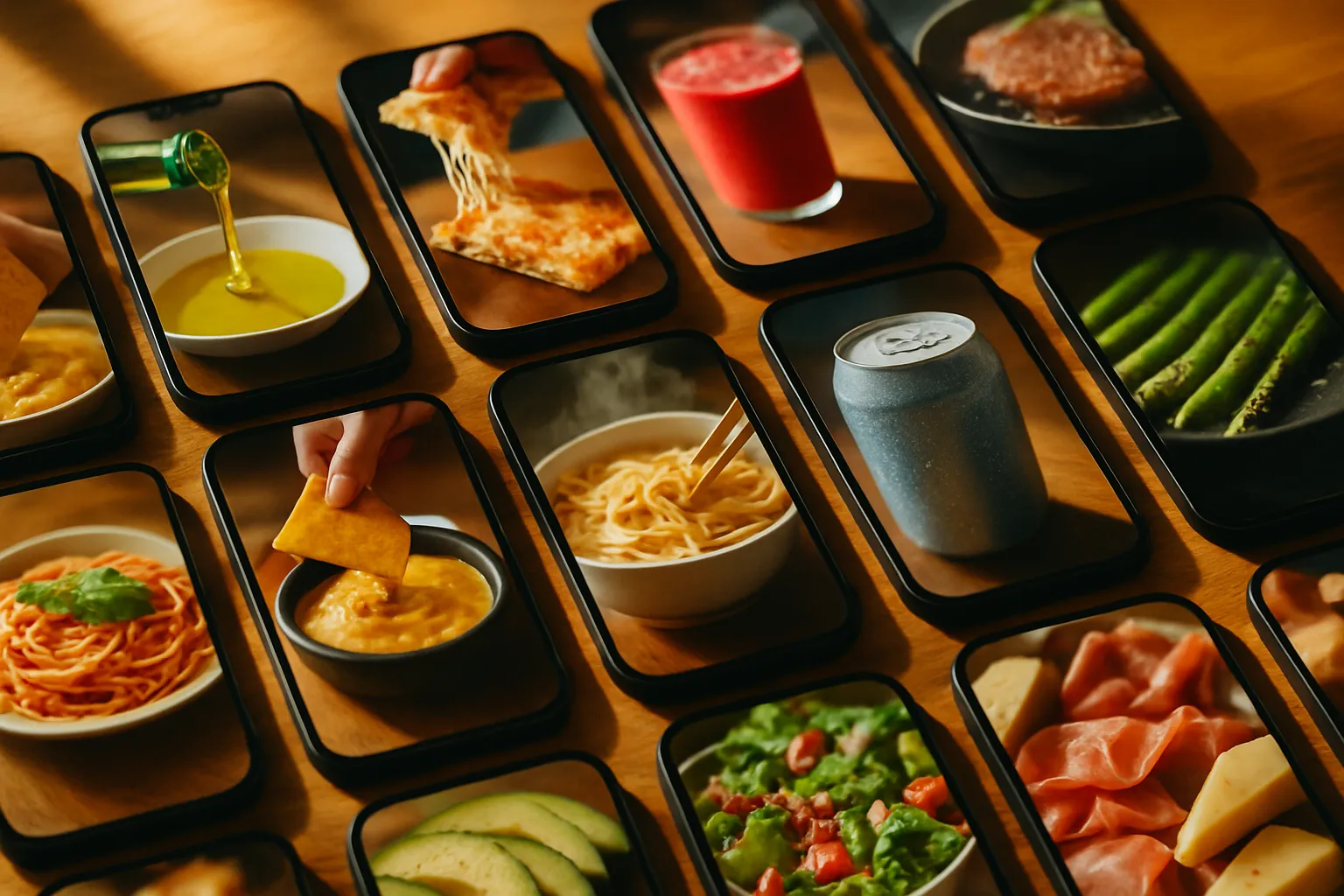
Creative fatigue in food ads: why UGC video libraries need rotation rules
Food ads fatigue fast: same hero shot, same hook, softening ROAS. Here is a rotation system for your UGC video library that keeps evergreen feeling new.
9 min readFor brands
Creator Education
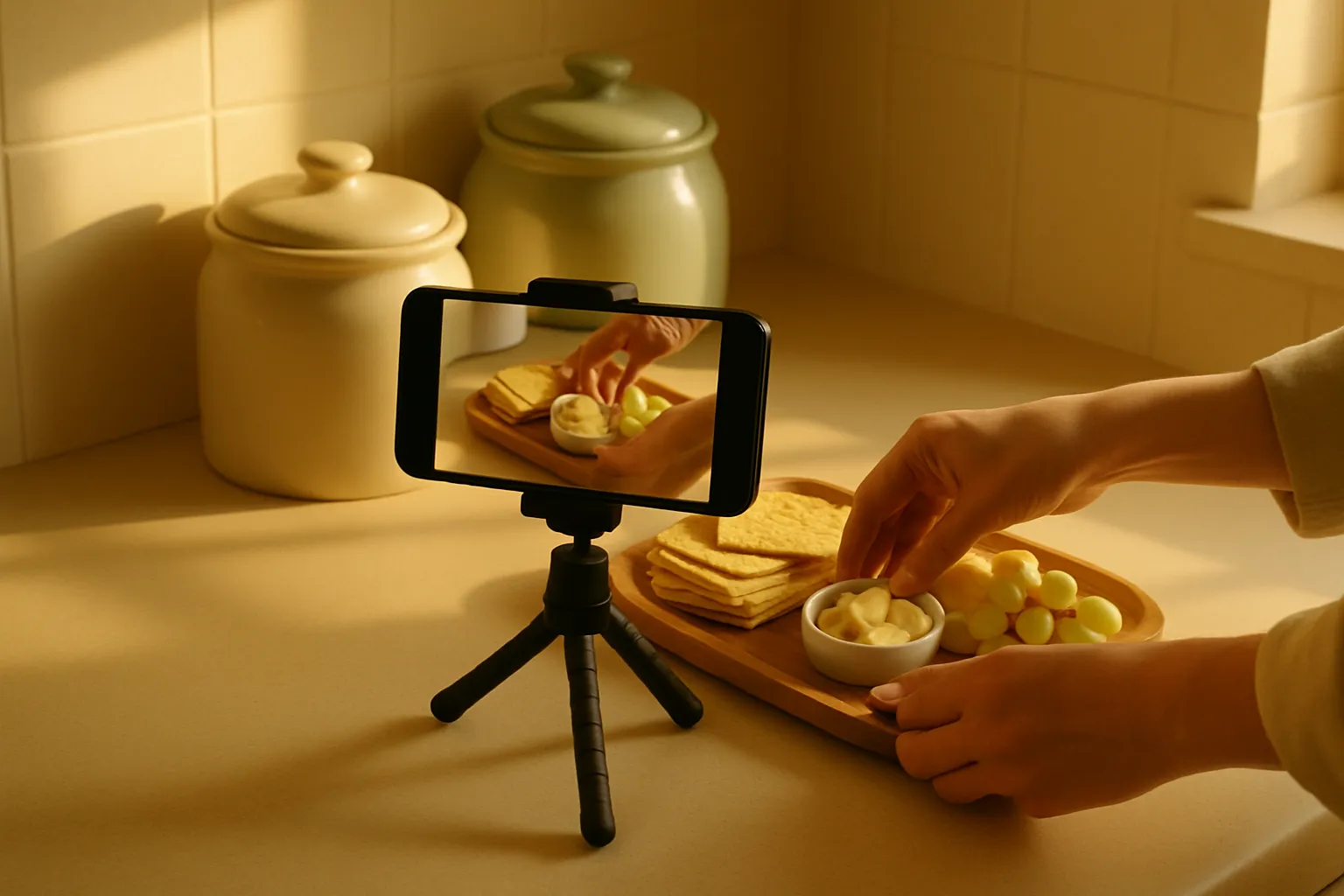
What Is a UGC Creator? Meaning, Examples, and How Brands Use UGC
A clear, food-first explanation of what a UGC creator is, how the role differs from influencers, and why grocery and CPG brands rely on creator content.
7 min readFor creators

Creator Education
How to Become a UGC Creator in 2026, Even With 0 Followers
A practical, food-first playbook for becoming a UGC creator from scratch — building a starter portfolio, filming sample videos, finding jobs, setting rates, and applying to studios and rosters.
8 min readFor creators
Creator Jobs
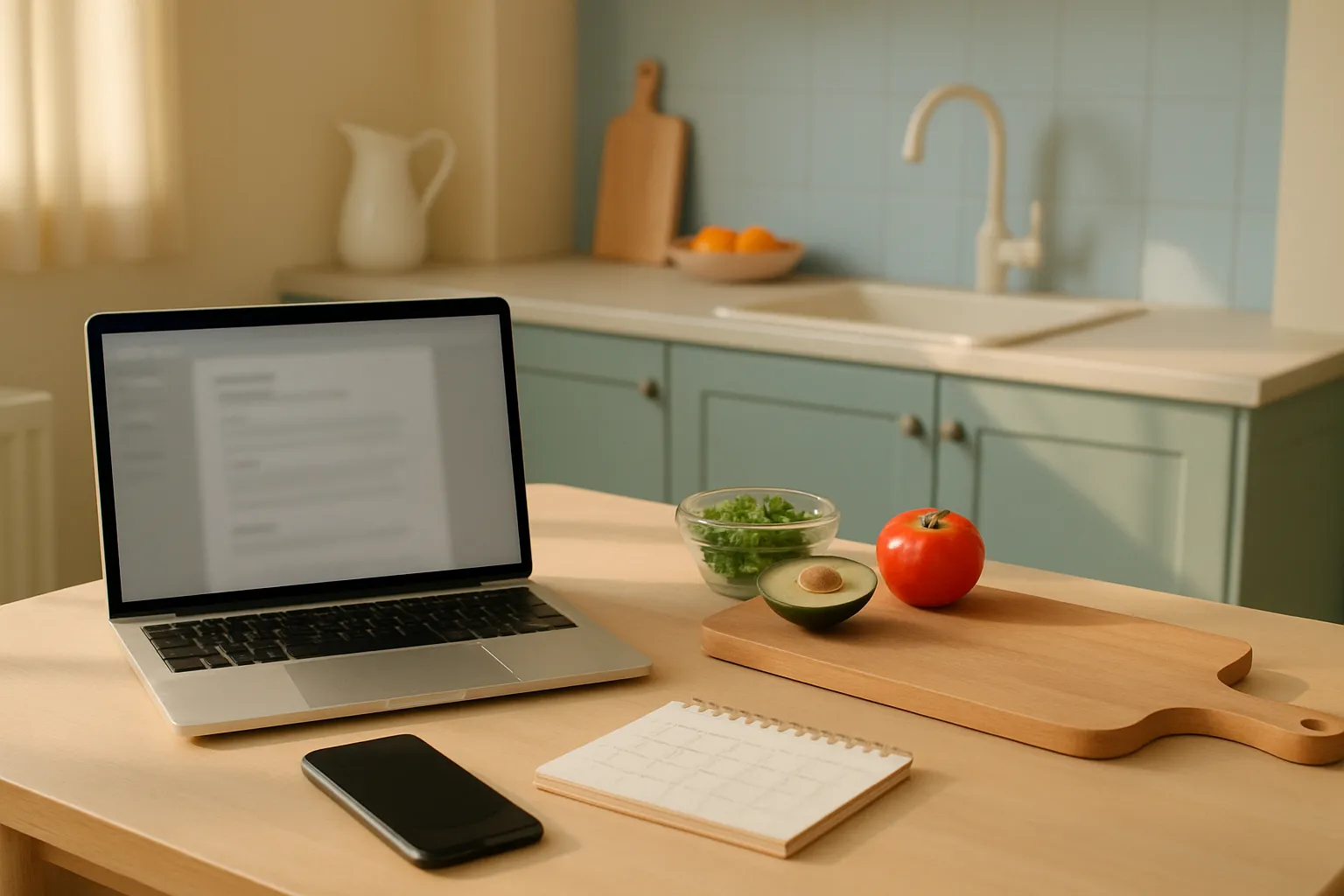
UGC Creator Jobs: Where to Find Paid UGC Work and How to Pitch
A practical guide to finding UGC creator jobs, learning where food and grocery brands look for creators, and pitching yourself for paid, brief-ready work.
7 min readFor creators
Creator Education
UGC Creator Portfolio: How to Build One Before You Have Brand Clients
A ugc creator portfolio is how food brands decide whether to hire you, and you can build a strong one before a single client signs. Here is exactly what to film, how to caption it, and where to host it.
7 min readFor creators
Creator Education
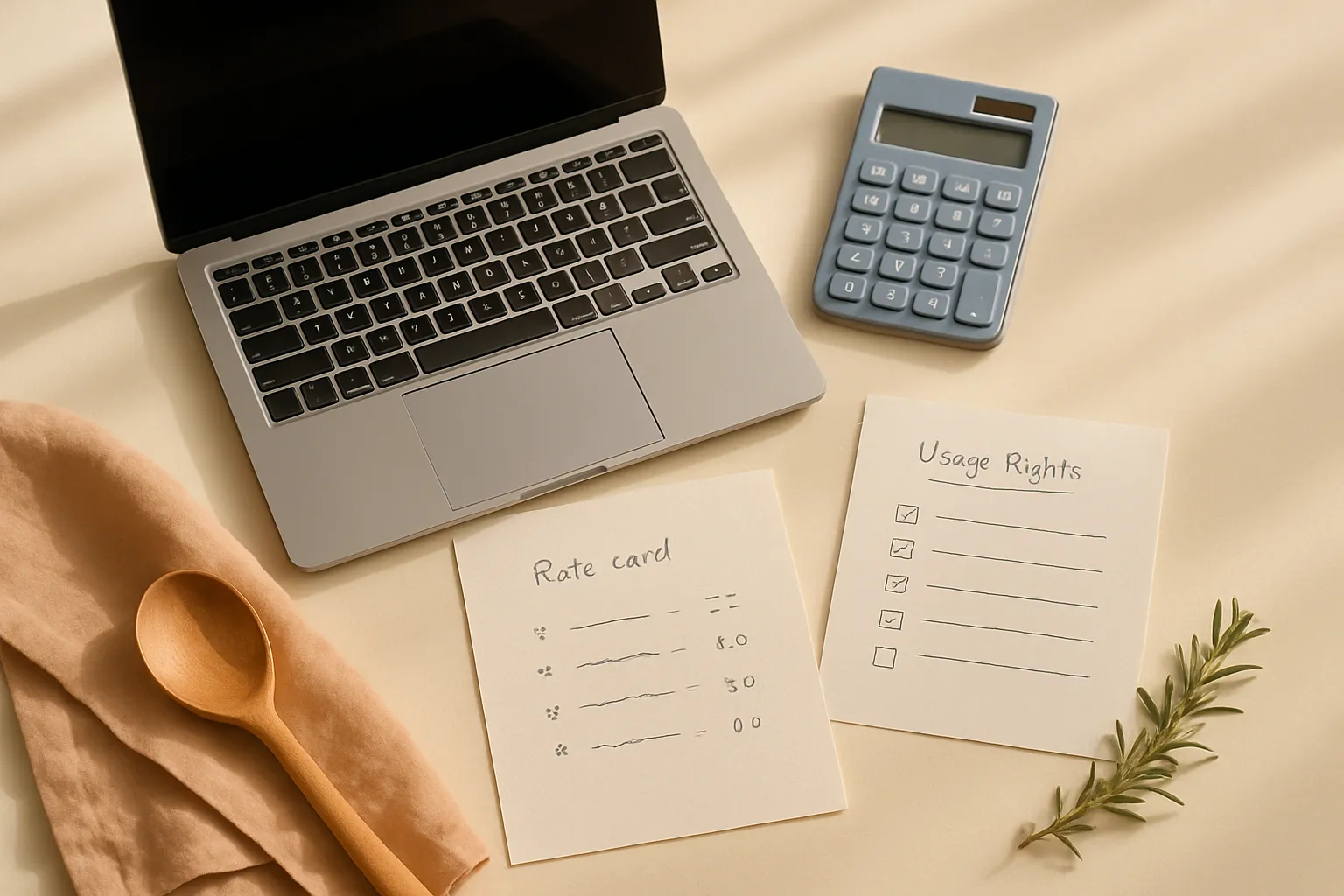
UGC Creator Rates: How Much Do UGC Creators Make?
A grounded look at how UGC creator pricing actually works — project rates, usage rights, paid ads, whitelisting, and the food-specific factors that move a quote up or down.
7 min readFor creators
Food UGC Strategy
UGC Creator vs Influencer: What’s the Difference for Brands and Creators?
UGC creators make content brands own and run as ads; influencers lend reach to their own audience. Here’s when food brands should hire each, and where creators fit.
6 min readFor creators & brands
Food UGC Strategy
How to Find UGC Creators for Food, Grocery, and CPG Brands
A practical guide to where food, grocery, and CPG brands can find UGC creators, plus what to evaluate before you brief one.
7 min readFor brands
Creative Formats
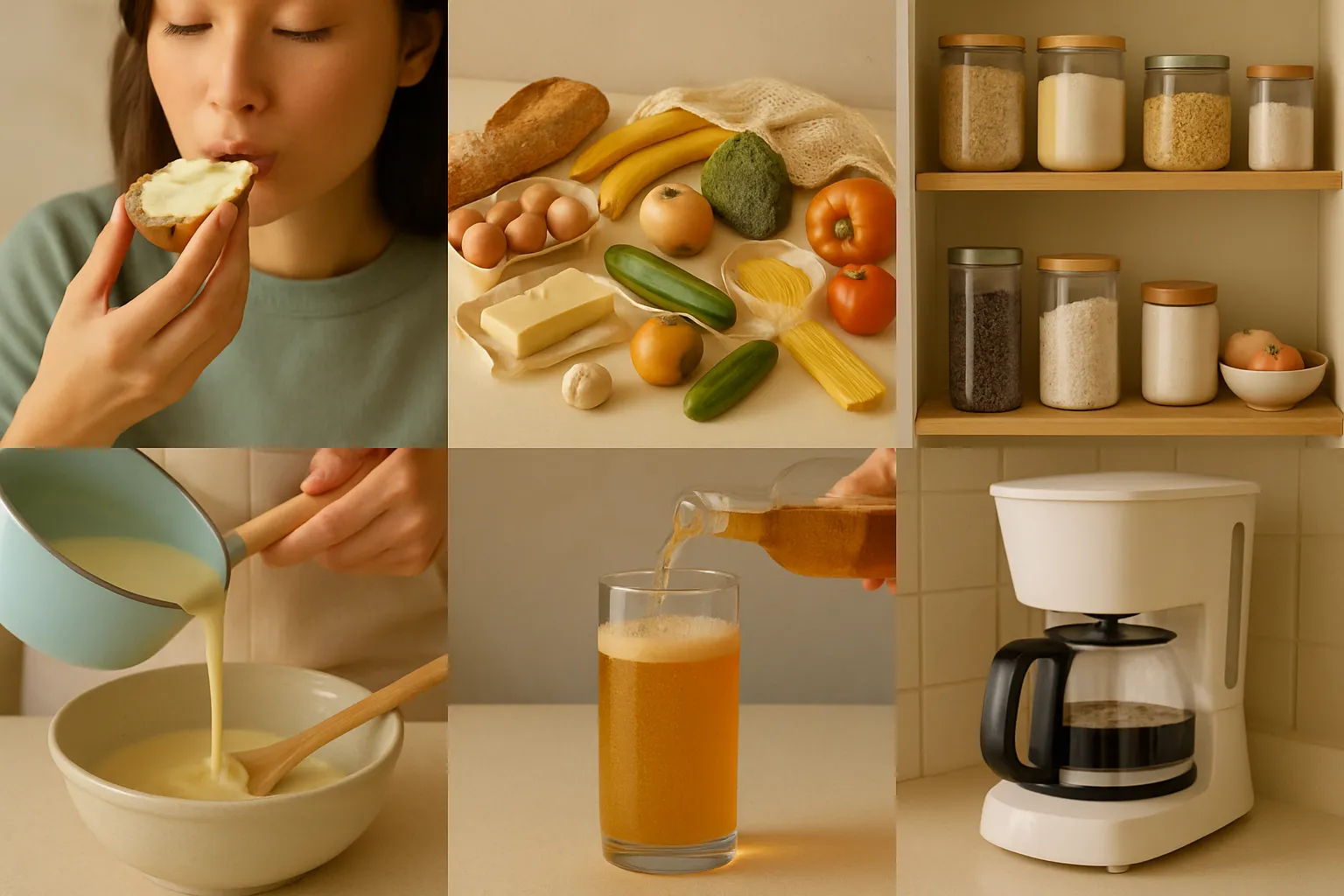
Food UGC Examples: Formats Grocery and CPG Brands Can Actually Use
A practical tour of food UGC examples — taste tests, recipe integrations, grocery hauls, pantry restocks, demos, and paid hooks — and what each one actually sells.
7 min readFor brands
Creator Briefs
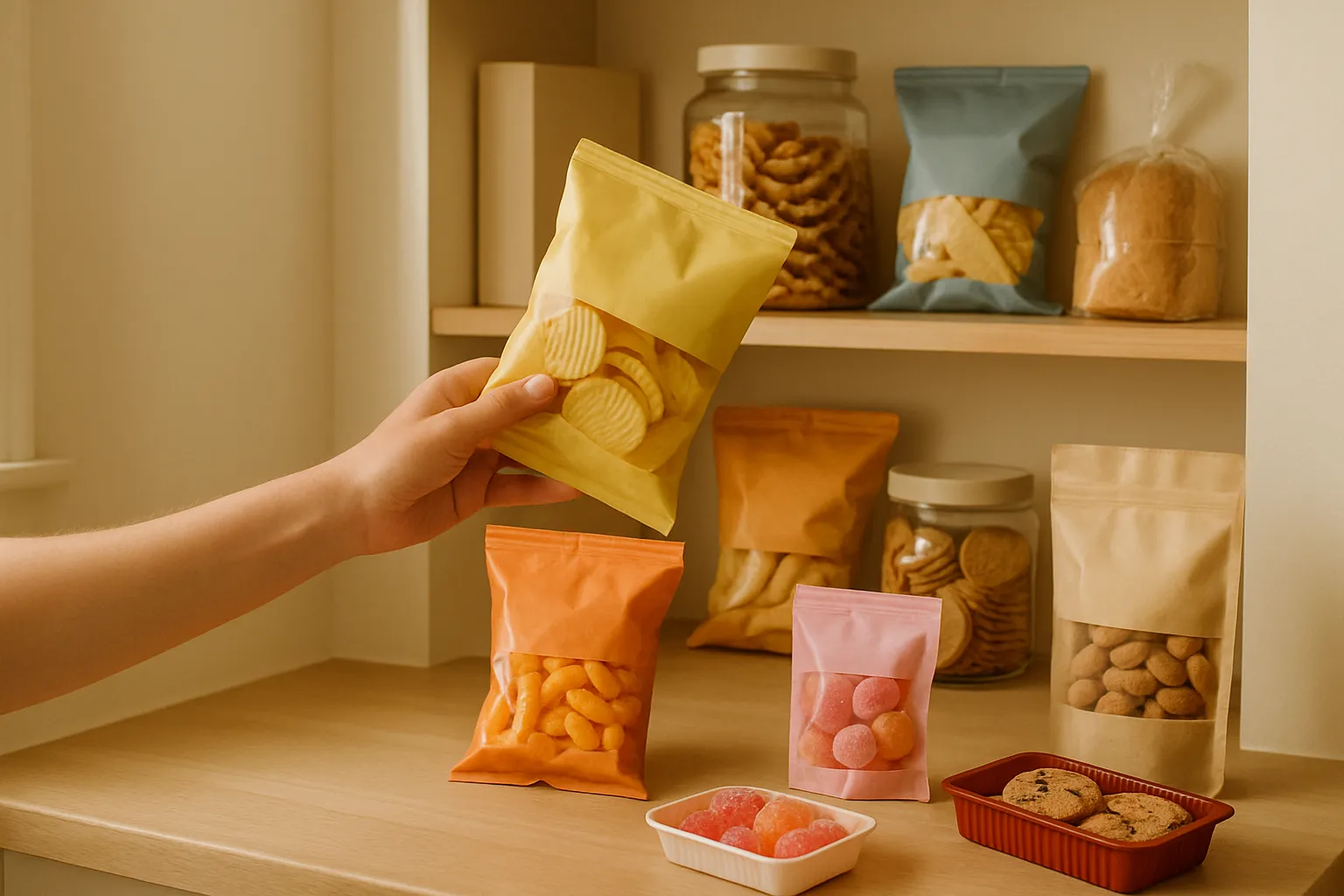
What snack brands should include in every UGC brief
A practical checklist for briefing snack reviews, taste tests, desk lunches, pantry restocks, and paid-social product demos.
5 min readFor brands
Creative Formats
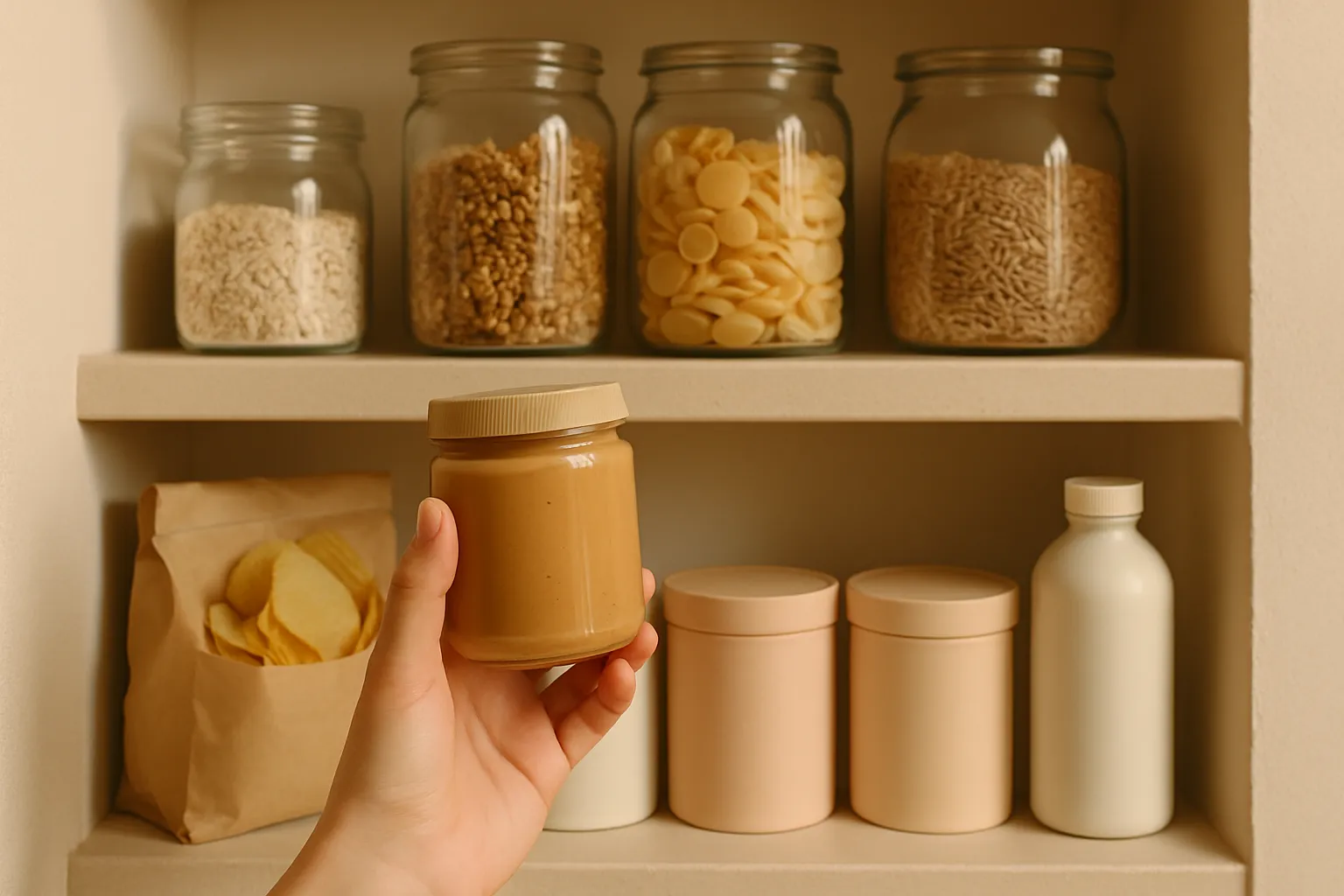
Taste test, haul, restock: which food UGC format should you use?
How to choose between creator reactions, grocery hauls, pantry restocks, product demos, and comparison videos.
6 min readFor brands
Food UGC Strategy
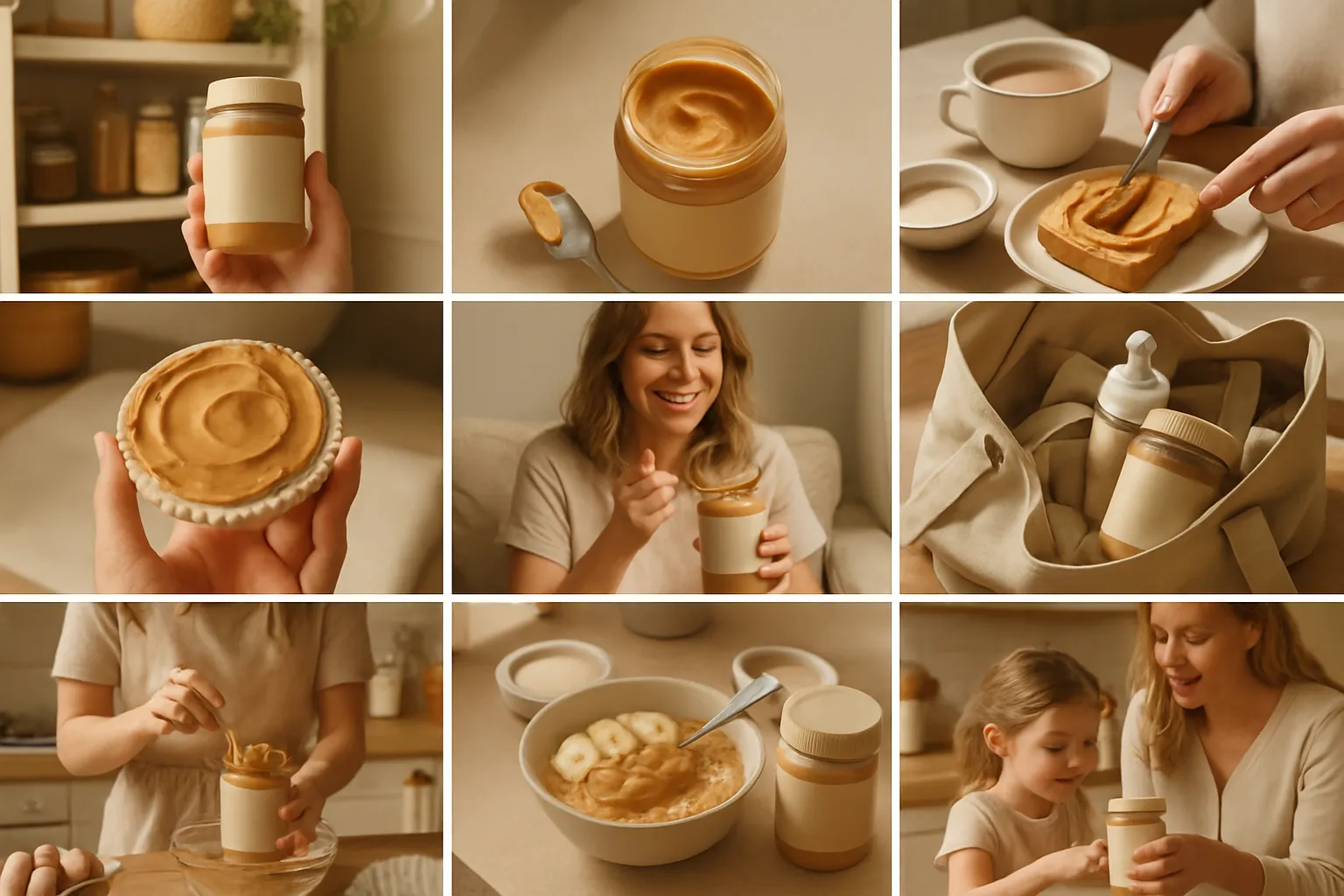
How to turn one grocery product into ten creator angles
A framework for turning a single product into hooks, use cases, household moments, and platform-ready content variations.
6 min readFor brands
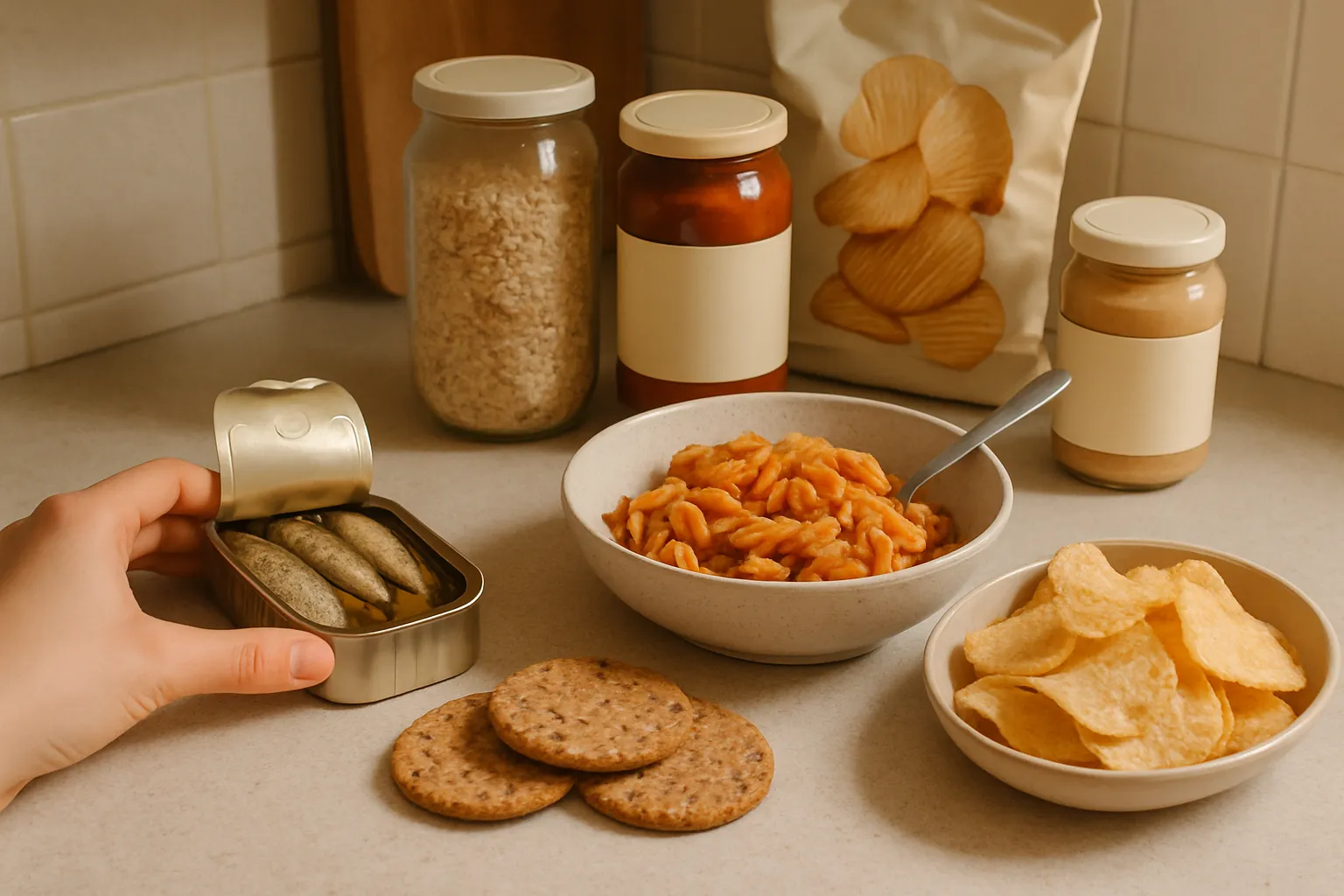
Grocery & Pantry
Why specialty food brands need product-in-context UGC
For pantry staples, tinned fish, sauces, snacks, and condiments, context often matters more than polish.
7 min readFor brands
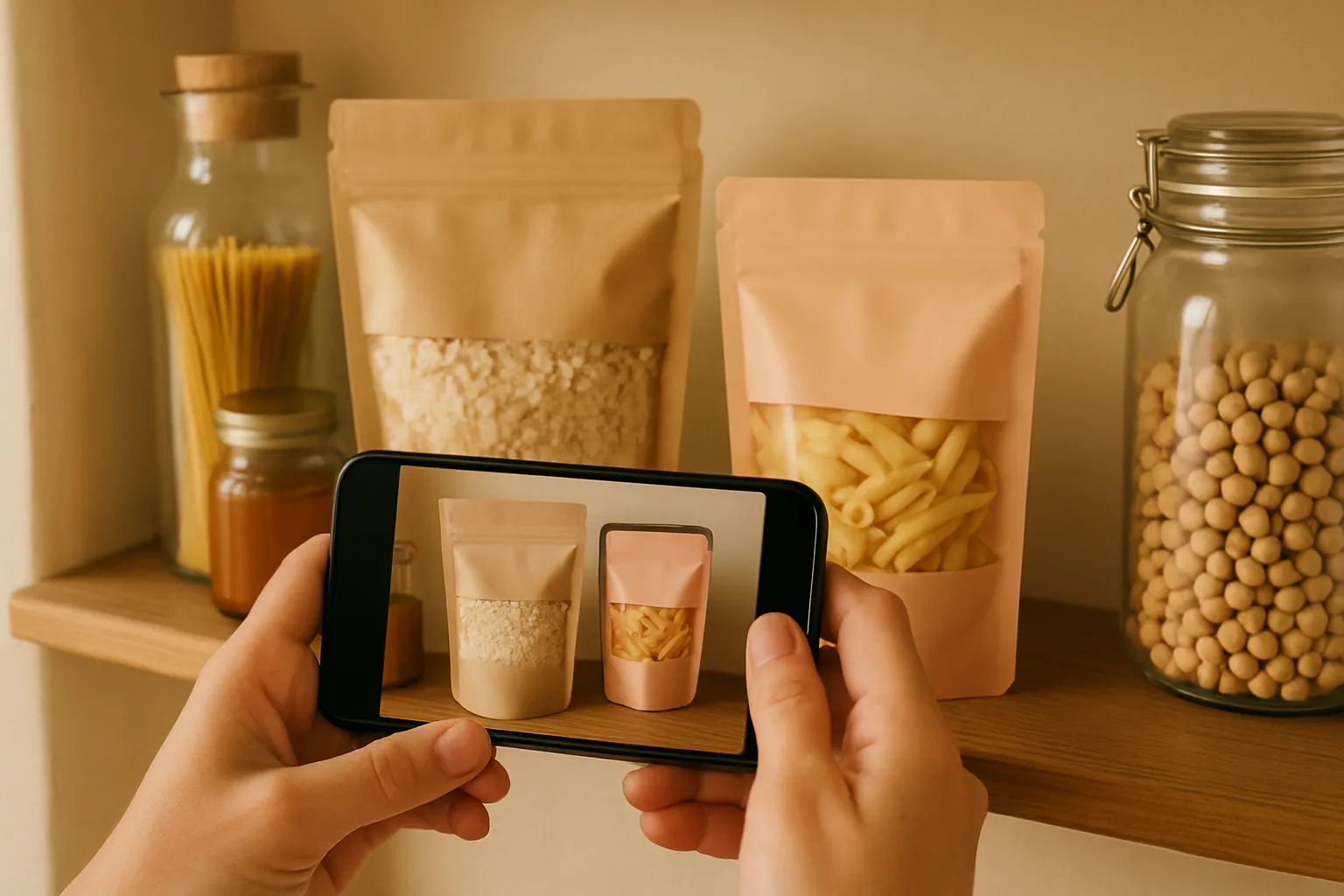
Food UGC Strategy
Organic vs paid food creative: what changes in the first three seconds
The difference between a post people enjoy and an ad creative that can earn attention quickly.
6 min readFor brands
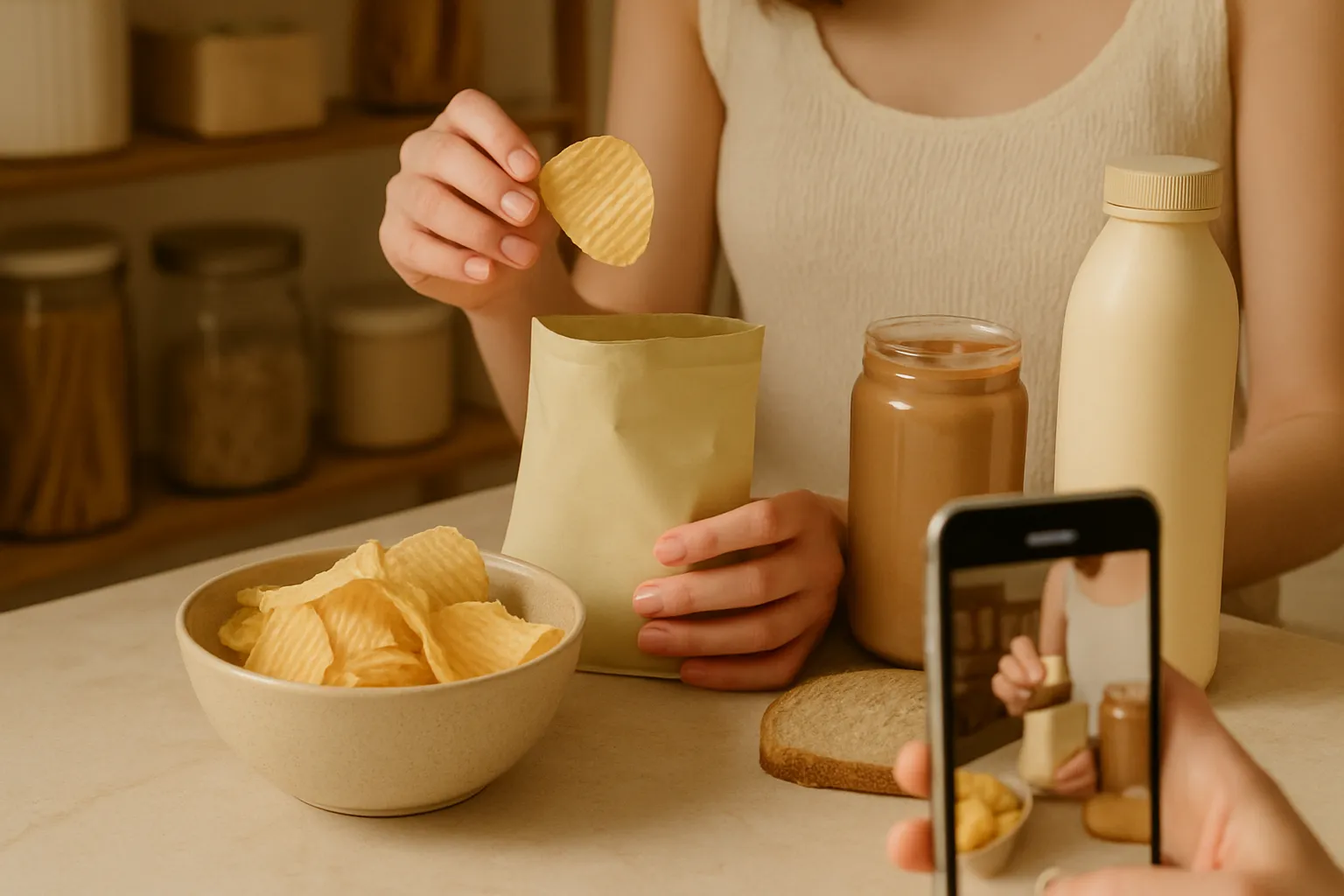
Creator Briefs
How to brief creators for snack reviews and pantry staples
What to include in the brief so creators can show taste, texture, use case, and product benefit without sounding scripted.
7 min readFor brands
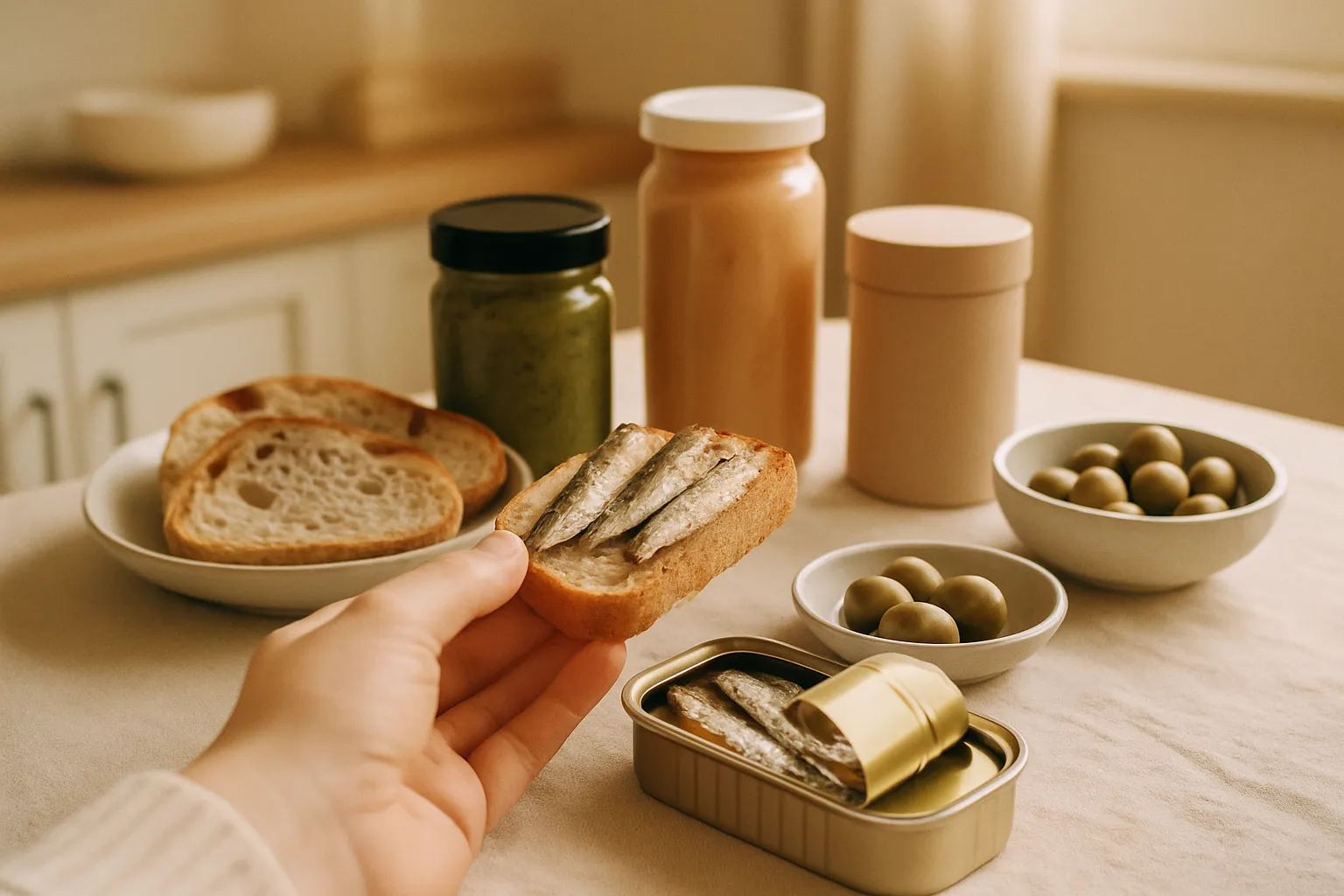
Creative Formats
What makes tinned fish, sauces, and pantry products work on short-form video
A breakdown of sensory cues, no-cook utility, serving moments, and creator hooks for modern pantry brands.
7 min readFor brands
Usage Rights
How food brands should think about usage rights before production
A plain-English guide to organic usage, paid usage, whitelisting, creator licensing, and why terms should be discussed upfront.
8 min readFor brands
Food UGC Strategy
A simple creative testing menu for CPG brands
A practical menu of hooks, formats, creator archetypes, and product moments brands can test across paid and organic channels.
7 min readFor brands
Seasonal Moments
Seasonal moments food brands should brief before everyone else does
Back-to-school snacks, holiday hosting, summer beverages, pantry resets, and other moments that reward early creative planning.
8 min readFor brands
Resource hub
Tools for briefing better food UGC
Checklists, format menus, and frameworks for food, grocery, snack, and pantry brands. New resources are on the way — request any to get it first.
Food UGC questions, answered
What should be in a food UGC brief?
A strong food brief names the moment and the person, spells out the sensory beats (the open, the bite, the pour), defines the use case and the swap, picks one format and one job for the first three seconds, and locks usage rights before anyone films. Vague briefs produce pretty footage that doesn’t convert.
How many creator angles should a brand test per product?
One SKU usually contains eight to twelve genuinely different stories once you cross its moments, the people who buy it, and the jobs it does. Most brands start with a handful of distinct angles and formats, then double down on the few that earn watch time and saves.
What’s the difference between a UGC creator and an influencer?
A UGC creator makes content the brand owns and posts on its own channels; an influencer is paid for access to their audience. For food and CPG, brands often need product-in-context content they can run as paid-ready creative more than they need reach.
How do usage rights work for food creator content?
Usage rights are the permissions you license from a creator — where content runs (organic vs paid), on which channels, for how long, and whether you can run ads from the creator’s handle (whitelisting). Agree these in the brief, not after the shoot, because they affect both brand safety and rate.
Which food UGC formats perform best on short-form?
It depends on the goal: taste tests sell trial, hauls sell discovery, restocks sell loyalty, demos sell the use case, and comparisons win consideration. Match the format to the objective and the product, then test a few against each other.
Put these ideas to work.
Tell us what you're building, or apply to create food-first content.