Grocery & Pantry
Why specialty food brands need product-in-context UGC
Pantry Social Studio · June 6, 2026 · Updated June 23, 2026 · 7 min read
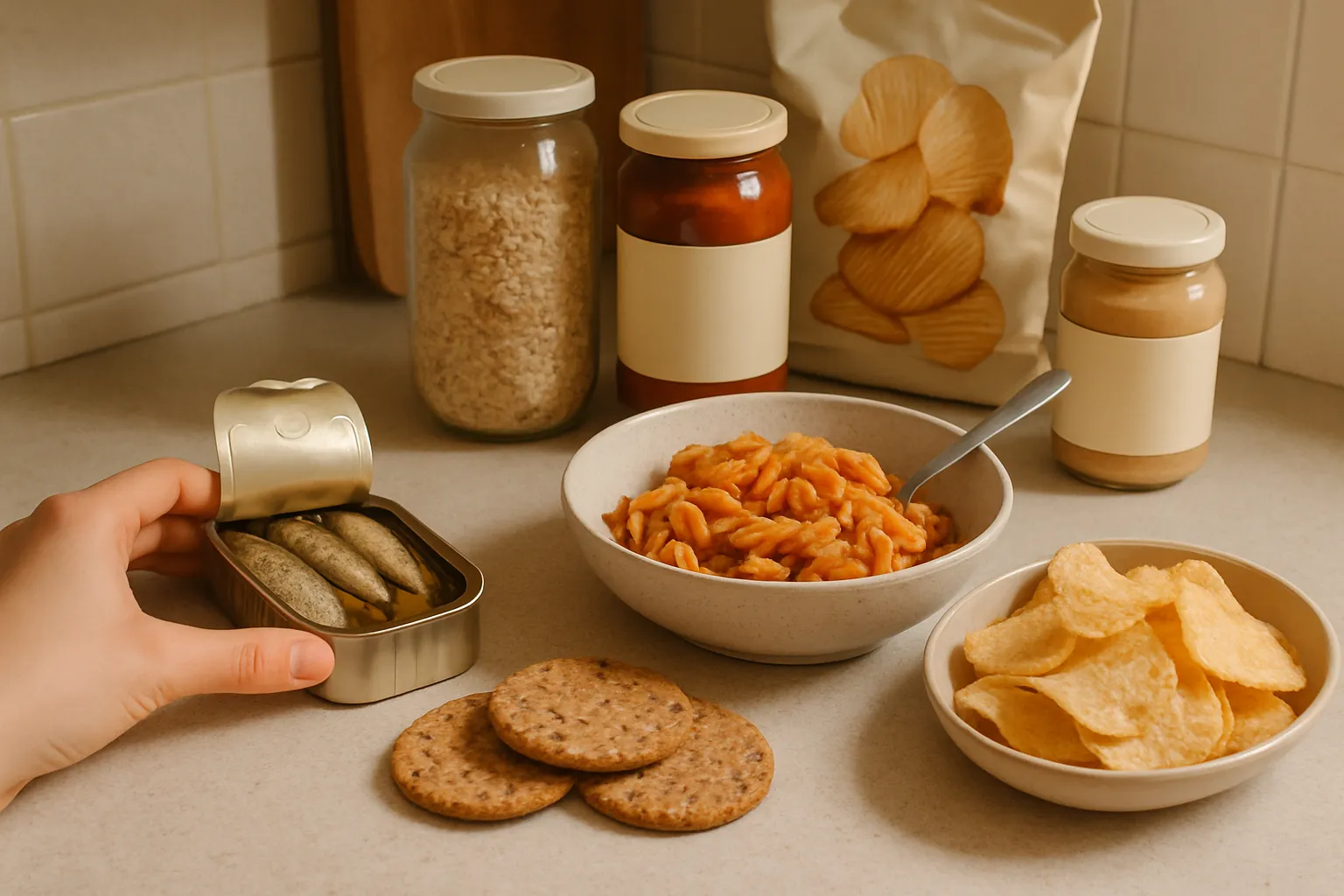
Product-in-context UGC places your food where people actually eat it — in real hands, real moments, and real use cases — so taste, texture, and use case do the selling instead of a sterile studio shot.
Product-in-context UGC is content that shows your food being used the way real people use it — opened, poured, spread, dunked, or stirred into a real meal — rather than sitting alone under studio lights. For specialty food and CPG brands, context is the part that makes someone believe the product is worth buying. A beautiful pack shot tells a shopper what the label looks like; product in context tells them what it tastes like, how it behaves, and where it fits in their week. That difference is what separates a scroll-stopping clip from a pretty image nobody remembers. The rest of this guide breaks down what context actually means, the three contexts that move food, how it changes by category, and exactly how to brief it so your creator delivers paid-ready creative on the first round.
What “product-in-context” actually means
Product in context means the product is shown inside the real situation it was made for — a hand reaching for the jar at breakfast, a tin cracked open over toast, a sauce spooned onto a plate that already has food on it. The kitchen looks lived-in, the lighting is natural, and the moment feels like something a friend would film, not a set. Context is the difference between “here is the package” and “here is the package making someone’s lunch better.” For specialty food UGC, that lived-in honesty is the entire point: it gives the viewer permission to imagine the product in their own kitchen. If you want to see the same product framed many ways, our piece on one product, ten angles shows how far a single SKU can stretch.
Why over-polished content hurts specialty food brands
Over-polished content reads as an ad, and ads get skipped. When a snack or sauce is lit like a luxury watch, the viewer subconsciously discounts it — they assume the food was styled, not eaten, and they stop trusting what they see. Specialty food brands live and die on trust in taste, and sterile perfection quietly erodes it. Real kitchen context does the opposite: a slightly messy counter, condensation on a jar, a genuine reaction to the first bite — these signal that someone actually ate this and liked it. The goal is not low quality; it is believable quality. Paid-ready creative can be crisp and well-shot while still feeling like it happened in a real home.
The three contexts that sell food: the moment, the hands, the use case
Almost every strong piece of pantry brand content leans on one of three contexts. The moment is the occasion — the rushed weekday breakfast, the Friday-night snack, the slow Sunday sauce. The hands show interaction: opening, pouring, dunking, spreading, the satisfying physical proof that the product behaves well. The use case is the payoff — the finished plate, the topped cracker, the bowl that makes the product feel essential. The best clips stack all three in a few seconds.
- The moment: anchor the product to a specific occasion so viewers know exactly when they’d reach for it.
- The hands: show texture and behavior — the pour, the spread, the snap, the crunch — because that is what proves taste and quality.
- The use case: end on the finished result so the viewer can picture the product solving a real need in their own kitchen.
Product-in-context by category
Context looks different depending on what you sell, and the most convincing UGC is built around the specific behavior of each category. Use these as starting points when you scope a shoot.
- Tinned fish: the lid peel and reveal, oil glistening, fish laid over toast or crackers with a squeeze of lemon — the open-and-assemble ritual is the whole sell.
- Sauces: the pour and the cling, a spoon dragged through for thickness, then the sauce meeting a real plate of food so viewers see it in action.
- Snacks: the bag open, the reach, the crunch, and the genuine mid-bite reaction — texture and sound carry snack content more than any label.
- Condiments: the dollop and the spread, a swipe across a sandwich or a swirl into a bowl, showing how a little transforms an ordinary dish.
- Pantry staples: the everyday integration — flour into a bowl, oil into a hot pan, beans tipped into a pot — proving the product earns a permanent spot in the rotation.
How to brief for context (what to specify)
Context does not happen by accident; it happens because the brand brief asked for it. Vague briefs produce vague clips of a product on a clean table. Specify the situation, the interaction, and the result, and you will get usage you can actually run. For more on tightening the rest of the document, see our snack brand UGC brief checklist.
- Name the moment: breakfast, late-night snack, packed lunch, dinner-party board — give the creator a real occasion to film inside.
- Call out the hero interaction: the pour, the peel, the spread, the crunch — the single physical beat that proves taste and texture.
- Specify the use case shot: what finished dish or pairing the product should end on.
- Describe the setting: a warm, lived-in home kitchen, natural light, real props — not a blank studio sweep.
- Flag any non-negotiables: label facing camera at the reveal, no competing branded products, allergen or claim language to avoid.
Product-in-context vs studio product shots
Studio product shots and product-in-context UGC are not rivals — they do different jobs. A clean studio shot is the authority asset: it belongs on the PDP, the carousel, the retailer one-sheet, where shoppers want a clear, honest look at the pack. Product in context is the persuasion asset: it belongs in feed, in paid social, and in any placement where you need to create desire and trust before the click. Most specialty food brands need both, weighted toward context for upper-funnel paid. For a fuller spread of what context-led work looks like in practice, browse our food UGC examples.
A context-rich brief checklist
Before you send any brief to a creator, run it against this list. If you can answer every line, your shoot will come back with paid-ready creative instead of a folder of lonely pack shots. When you are ready, tell us what you need and we will scope the context-led UGC your product deserves.
- Moment defined: a specific, nameable occasion the product lives inside.
- Hero interaction chosen: the one pour, peel, spread, or crunch that sells taste and texture.
- Use case locked: the finished plate or pairing the clip resolves on.
- Setting described: a real, warm kitchen or pantry with natural light and believable props.
- Format matched to placement: vertical hooks for feed and paid — see our food UGC format chooser.
- Rights confirmed: usage and term agreed before anyone shoots, so nothing stalls at delivery.
- Brand safety noted: claims, allergens, and competing products handled up front.
Frequently asked questions
What is product-in-context UGC?
It is creator content that shows your food being used in a real situation — opened, poured, or eaten in a genuine kitchen moment — rather than styled alone under studio lights. The context lets taste, texture, and use case do the selling. For specialty food brands, that lived-in feel is what makes a viewer trust the product enough to try it.
How is product-in-context different from a studio product shot?
A studio shot is a clean, authoritative look at the pack, ideal for product pages and retailer one-sheets. Product in context is built to persuade — it shows the food in real hands and real meals to create desire in feed and paid social. Most specialty food brands use both, but lean on context for upper-funnel paid creative.
Will less-polished content make my brand look cheap?
No, if it is briefed well. The goal is believable, not low quality — crisp, well-shot footage that still feels like it happened in a real home. Over-polished, ad-like content is what actually hurts specialty food brands, because viewers assume the food was styled rather than eaten and stop trusting the taste.
How do I brief a creator to capture context?
Specify three things: the moment (a nameable occasion), the hero interaction (the pour, peel, spread, or crunch), and the use case (the finished dish it ends on). Add the setting you want and any brand-safety notes. The more concrete the brief, the closer your first round of footage will be to paid-ready creative.
Which context matters most for my category?
It depends on the product behavior. Tinned fish sells on the open-and-assemble ritual, snacks on the crunch and reaction, sauces and condiments on the pour and spread, and pantry staples on everyday integration into a dish. Lead with the interaction that proves your product’s quality, then resolve on the finished use case.
Written by the Pantry Social Studio team — a food-first UGC and creator studio working with grocery, snack, beverage, pantry, kitchen, and CPG brands. We brief and produce creator content for organic and paid social.
Related Pantry Notes
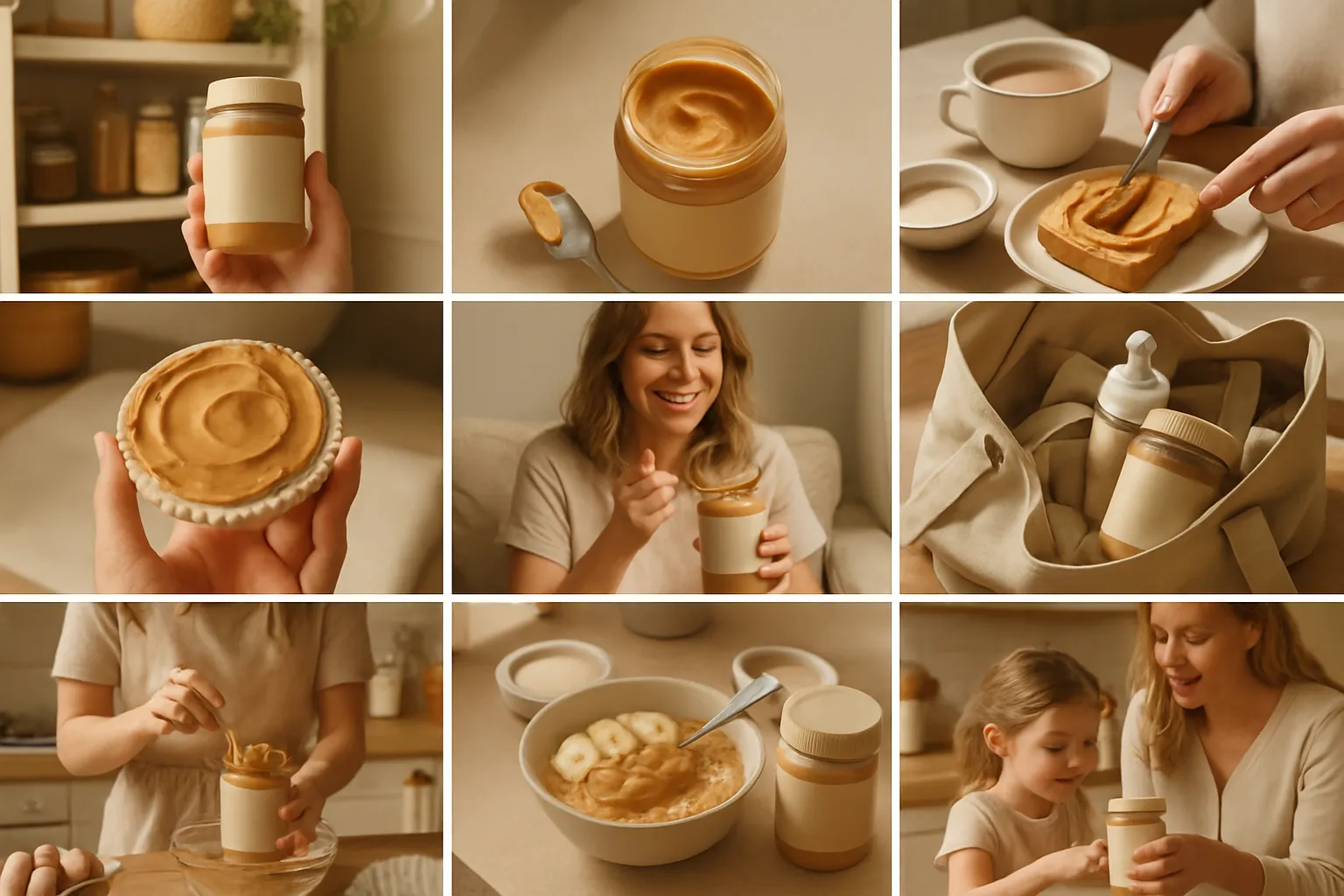
Food UGC Strategy
How to turn one grocery product into ten creator angles
A framework for turning a single product into hooks, use cases, household moments, and platform-ready content variations.
6 min readFor brands
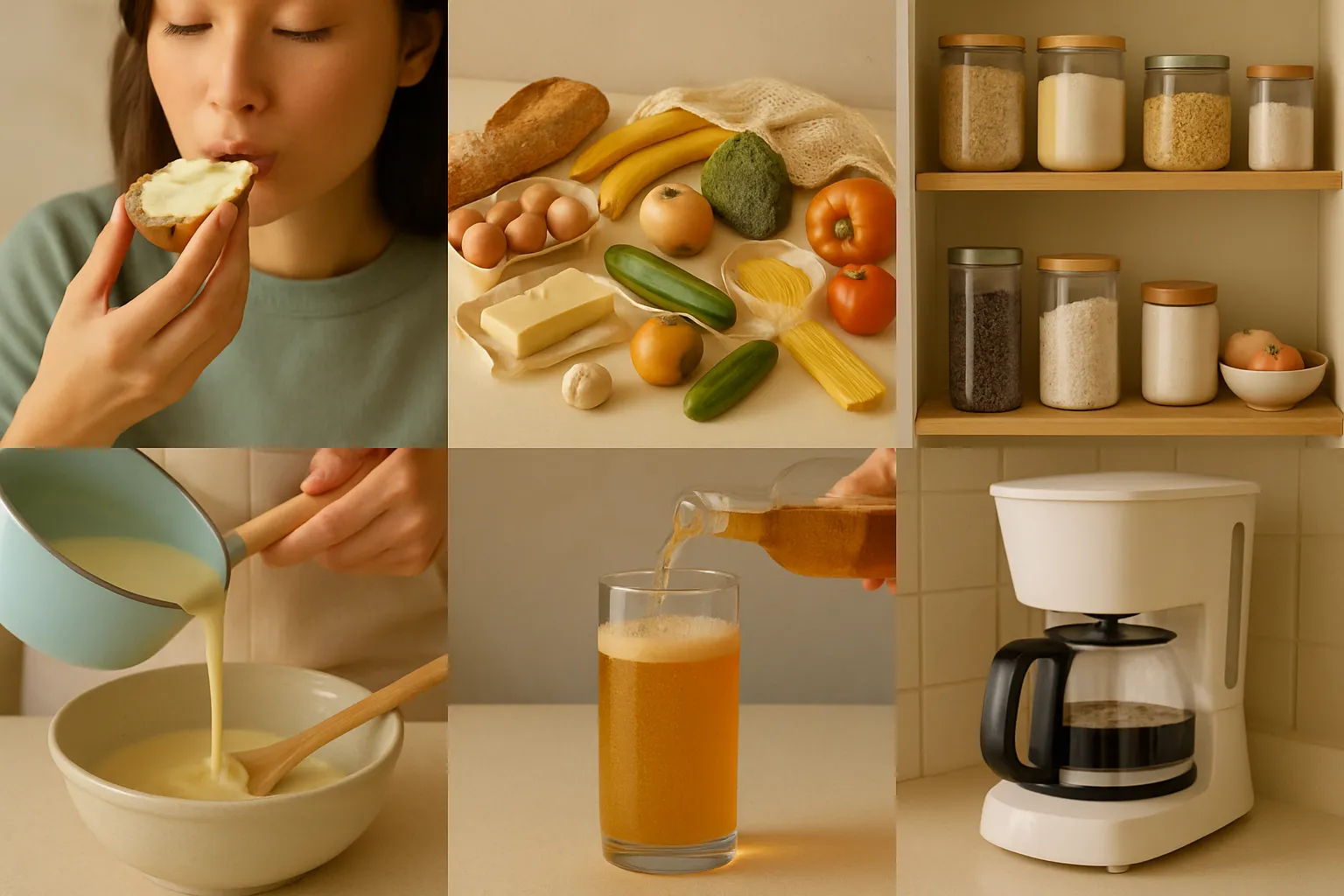
Creative Formats
Food UGC Examples: Formats Grocery and CPG Brands Can Actually Use
A practical tour of food UGC examples — taste tests, recipe integrations, grocery hauls, pantry restocks, demos, and paid hooks — and what each one actually sells.
7 min readFor brands
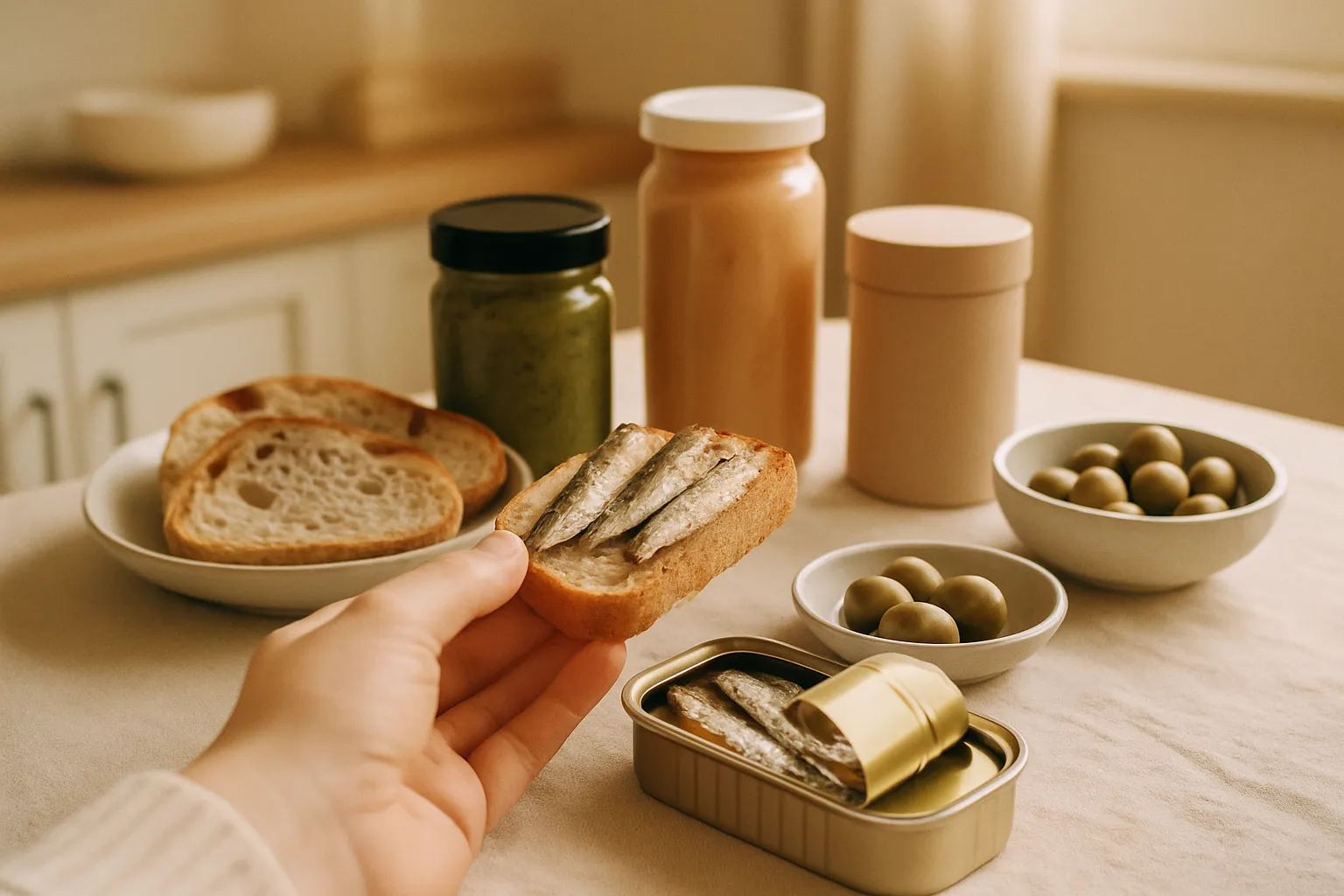
Creative Formats
What makes tinned fish, sauces, and pantry products work on short-form video
A breakdown of sensory cues, no-cook utility, serving moments, and creator hooks for modern pantry brands.
7 min readFor brands
Brands: source food-first UGC
Tell us what you need and we'll help identify creator fits by category, format, style, platform, and usage.