Usage Rights
How food brands should think about usage rights before production
Pantry Social Studio · June 2, 2026 · Updated June 23, 2026 · 8 min read
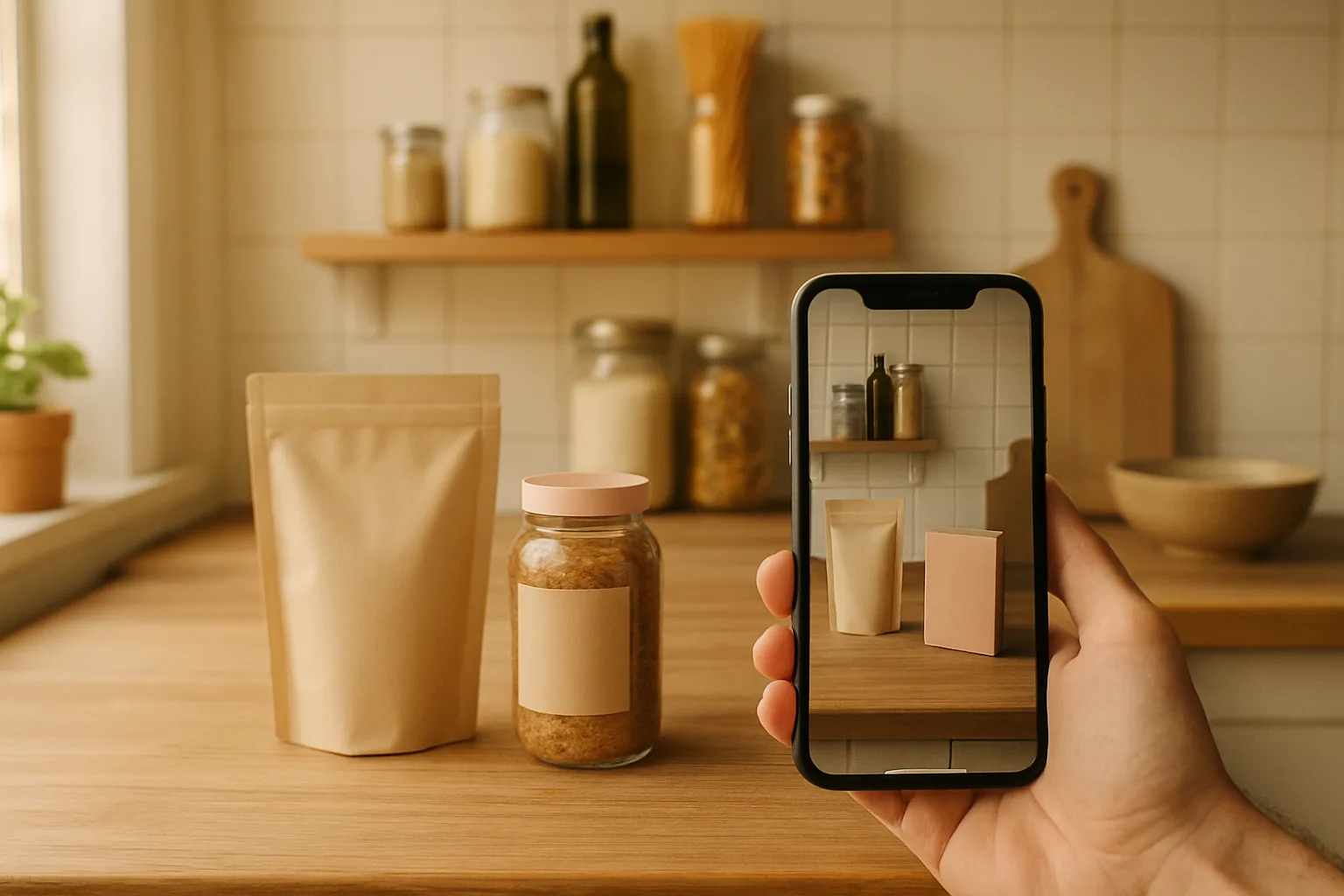
Decide usage rights before production, not after, so your rate, your channels, and your timeline all match how you actually plan to run the content. Spell out organic versus paid, term length, and exclusivity in the brief, then confirm the final terms in your own creator agreement.
Food brand usage rights are the permissions you license from a creator to use the photos and videos they make for you, including where you can post them, on which channels, and for how long. The single most useful thing you can do is decide those usage rights before production starts, not when the invoice lands. When the scope is clear up front, the creator can price it correctly, you avoid awkward renegotiations after a recipe reel takes off, and nobody is surprised three months later when an organic post gets pushed as a paid ad. This guide walks through the terms that matter for food, snack, beverage, and pantry brands in plain English. It is not legal advice, and you should always confirm the final wording in your own creator agreement, but it will help you ask the right questions before a single bowl gets styled.
Why usage rights belong in the brief, not the invoice
Usage rights are not a line item you negotiate at the end. They shape the whole engagement. A creator filming a quick organic TikTok of your cold brew is making different choices than one shooting paid-ready creative meant to run as a Meta ad for six months, and they should know which one you need before they set up the shot. When rights show up only on the invoice, you get one of two bad outcomes: you underpay and have to circle back for permission you assumed you already had, or you overpay for broad rights you will never use. Putting usage in the brand brief alongside the deliverables, the shot list, and the timeline keeps everyone honest. If you are still building that brief, our snack brand UGC brief checklist has a section dedicated to spelling this out, and it pairs well with the rest of this post.
Organic usage, explained
Organic usage means posting the content on your own owned channels with no ad spend behind it. Think a granola brand reposting a creator’s morning-bowl video to its own Instagram feed, Stories, TikTok, or Pinterest, where it reaches followers and whoever the algorithm serves it to for free. Organic rights are the most common starting point and usually the least expensive, because the content stays on your accounts and does not get amplified with paid media. When you scope organic usage, be specific about which platforms count and whether the grant is perpetual or time-limited. A short, clear grant like organic use across your brand’s Instagram and TikTok for twelve months is easy for a creator to price and easy for you to honor. If you only ever plan to repost to your own feed, organic rights may be all you need.
Paid usage, explained
Paid usage means putting ad spend behind the content, running it as an ad through a platform’s ad manager, whether that is Meta Ads, TikTok Spark Ads, YouTube, or programmatic placements. This is where many food brands actually get their return, because a strong product-in-context clip can carry a whole performance campaign. Paid rights cost more than organic for a simple reason: the content works harder, reaches a larger audience, and often runs longer. When you ask for paid usage, define the platforms, the term, and any spend ceiling if one applies. The cleanest setup is paid-ready creative licensed for both organic and paid social from the start, so your team can test a snackable cut as an ad without going back for fresh permission. If a piece is performing, you want to be able to scale it that day, not wait on a new agreement.
Whitelisting and creator licensing
Whitelisting, sometimes called creator licensing or partnership ads, is when a creator grants you permission to run ads from their own handle rather than your brand account. The post looks like it is coming straight from the creator, which can feel more authentic to the people scrolling and often performs better than the same content on a brand handle. It is powerful for food because trust and taste are personal, and a recommendation from a real person eating real food lands differently. Whitelisting is a distinct, higher tier of rights because the creator is lending you their identity and audience access, usually through a platform tool like Meta’s partnership ads. It needs its own explicit grant, its own term, and its own line in your agreement. Never assume paid usage automatically includes whitelisting; it does not, and you should ask for it by name.
Exclusivity and term length
Two settings quietly drive a lot of the cost: exclusivity and term length. Exclusivity restricts the creator from working with competing brands for a defined window, for example, no other oat milk or plant-based dairy partnerships for ninety days. The broader the category and the longer the window, the more it costs, because you are asking the creator to turn down other work. Be precise about what counts as a competitor so the creator can say yes with confidence. Term length is simply how long your usage rights last, often three, six, or twelve months, after which the rights expire unless you renew. A common, fair structure is a defined term with the option to extend. Keep both as narrow as your actual plan requires; paying for two years of category exclusivity on content you will retire in one season is money left on the table.
Raw footage, revisions, and renewals
A few extras come up often enough to settle in advance. Raw footage, meaning the unedited clips and full-resolution stills, is sometimes included and sometimes a separate add-on; if your team wants to recut a hero video into multiple ad variations in-house, ask for the raw files up front. Revisions cover how many rounds of edits are included before extra rounds bill separately, which keeps a friendly back-and-forth from quietly becoming an open-ended ask. Renewals matter because term-limited rights expire, and a video still running as a top-performing ad on its expiry date has to come down or be relicensed. Agree on a renewal rate at the start so a renewal is a quick yes rather than a fresh negotiation under deadline pressure. None of this needs to be heavy; it just needs to be written down.
How usage affects the rate
Usage is one of the biggest levers on what a creator charges, sitting right alongside deliverables and the creator’s experience. Organic-only rights for a single platform sit at the lower end. Add paid usage, then whitelisting, then category exclusivity, then a longer term, and each layer moves the number up, because each one asks the content or the creator to do more. This is exactly why scoping rights before production saves money: you pay for what you will actually use instead of buying broad rights as insurance. For a fuller breakdown of how these factors stack into a quote, see our guide to UGC creator rates. And if you are still deciding who to work with, how to find UGC creators covers vetting food-savvy creators who understand commercial usage from the start.
A pre-production usage checklist
Run through these before you greenlight the shoot, and confirm the final wording in your own creator agreement: - Organic or paid, or both? Name every channel where the content will appear. - If paid, which ad platforms, and is there a spend ceiling? - Do you need whitelisting or partnership ads from the creator’s handle? Ask for it by name. - What is the term length, three, six, or twelve months, and when does it start? - Is there exclusivity, and exactly which competing categories or brands does it cover? - Do you want raw footage and full-resolution stills, or final edits only? - How many revision rounds are included before extra rounds bill separately? - What is the agreed renewal rate if a top performer needs to keep running? Get these answered in the brief and your quote will be accurate, your rights will match your plan, and nobody renegotiates mid-campaign. When you know what you need, tell us what you need and we will help you scope usage, line up the right food-first creators, and get paid-ready creative built around how you actually plan to run it.
Frequently asked questions
What is the difference between organic and paid usage rights?
Organic usage lets you post content on your own channels with no ad spend behind it, like reposting a creator’s reel to your brand feed. Paid usage lets you put ad spend behind the content and run it through a platform’s ad manager. Paid rights cost more because the content reaches a larger audience and works harder, so define both in your brief if you plan to run ads.
When should I decide on usage rights?
Before production, not after. Settling rights in the brand brief lets the creator price the work correctly and lets you avoid renegotiating after a piece performs. Deciding at the invoice stage usually means either underpaying and circling back for permission, or overpaying for broad rights you never use.
Do paid usage rights include whitelisting?
No. Whitelisting, or partnership ads, lets you run ads from the creator’s own handle and is a separate, higher tier of rights because the creator is lending you their identity and audience access. Always request whitelisting by name and give it its own term in your agreement; do not assume paid usage covers it.
How does usage affect what a creator charges?
Usage is one of the biggest factors in a quote. Organic-only rights for one platform sit at the lower end, and each added layer, paid usage, whitelisting, category exclusivity, and longer term, raises the rate. Scoping rights tightly to your real plan keeps you from paying for permissions you will never use. Our UGC creator rates guide breaks this down further.
What happens when my usage term expires?
Term-limited rights end on their expiry date, so content still running, especially as a paid ad, has to come down or be relicensed. Agree on a renewal rate at the start so extending a top performer is a quick yes rather than a fresh negotiation under deadline pressure. This is not legal advice, so confirm renewal terms in your own creator agreement.
Written by the Pantry Social Studio team — a food-first UGC and creator studio working with grocery, snack, beverage, pantry, kitchen, and CPG brands. We brief and produce creator content for organic and paid social.
Related Pantry Notes
Food UGC Strategy
How to Find UGC Creators for Food, Grocery, and CPG Brands
A practical guide to where food, grocery, and CPG brands can find UGC creators, plus what to evaluate before you brief one.
7 min readFor brands

Creator Education
UGC Creator Rates: How Much Do UGC Creators Make?
A grounded look at how UGC creator pricing actually works — project rates, usage rights, paid ads, whitelisting, and the food-specific factors that move a quote up or down.
7 min readFor creators
Creator Briefs
What snack brands should include in every UGC brief
A practical checklist for briefing snack reviews, taste tests, desk lunches, pantry restocks, and paid-social product demos.
5 min readFor brands
Brands: source food-first UGC
Tell us what you need and we'll help identify creator fits by category, format, style, platform, and usage.