Food UGC Strategy
How to Find UGC Creators for Food, Grocery, and CPG Brands
Pantry Social Studio · June 17, 2026 · 7 min read
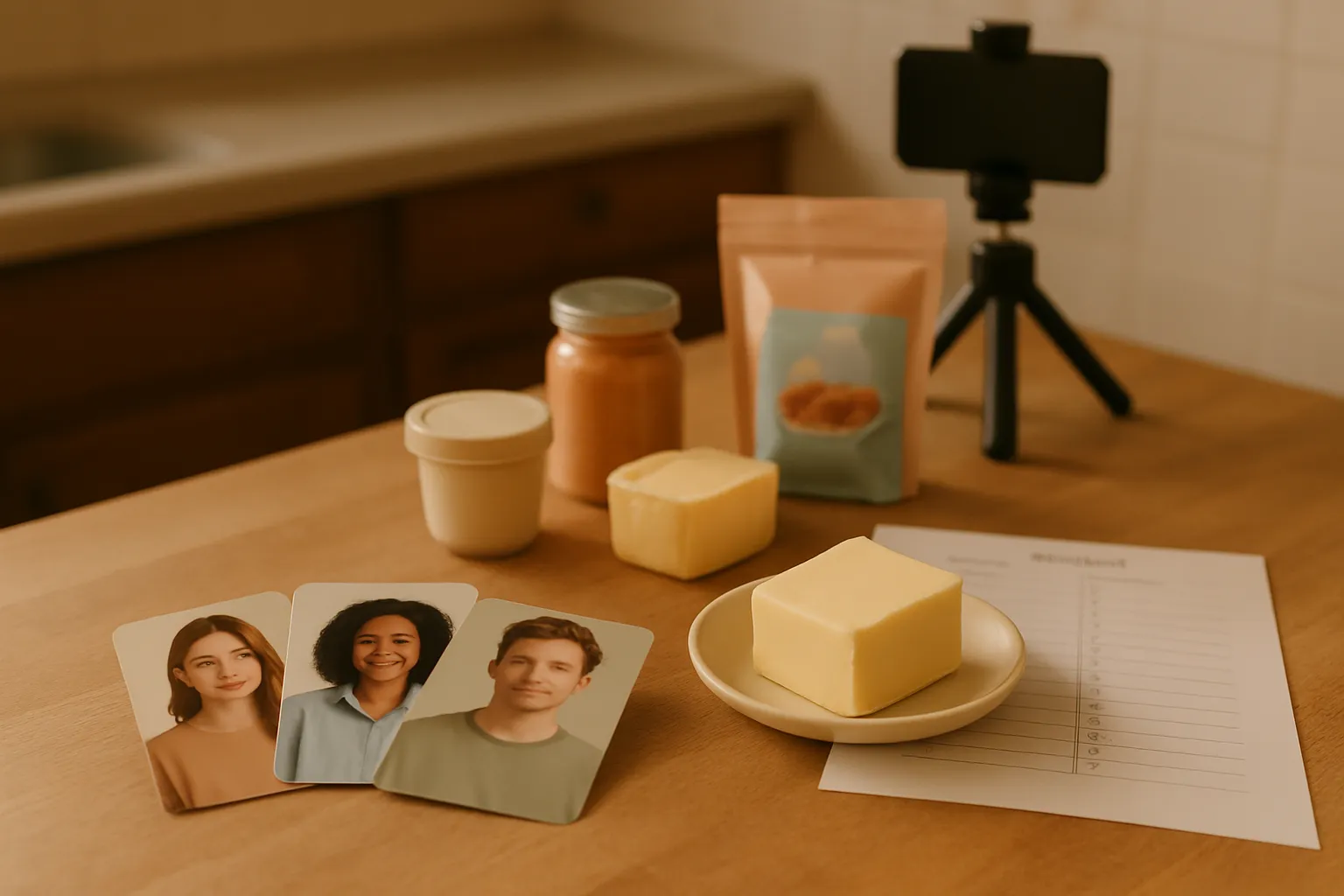
Finding the right UGC creator is less about scrolling handles and more about matching food-first creators to your product, then evaluating kitchen craft, food handling, and usage rights before you brief.
If you have been searching for how to find UGC creators for a food, grocery, or CPG product, the hard part is rarely the search itself. Plenty of people make creator content. The challenge is finding someone who can shoot your product in a real kitchen, talk about taste in a way that feels honest, and deliver paid-ready creative you can actually run. A snack that looks great on camera and a snack that gets handled, plated, and described convincingly are two different briefs, and the creator you choose decides which one you get.
Why finding the right UGC creator is harder than searching handles
A search bar gives you handles, not fit. You can find thousands of people who post food, but a handle tells you almost nothing about whether someone can follow a brand brief, frame a product-in-context shot, or shoot in lighting that survives a paid placement. Many brands learn this the expensive way: they hire on vibe, get content that looks fine on a grid but falls apart the moment it is cut for organic and paid social. The skill you are sourcing for is not popularity. It is the ability to take a brand brief and turn it into usable, on-message creator content on a deadline. That is a craft, and it is not evenly distributed across the people who happen to post food.
What makes food UGC creator sourcing different
Food adds variables most generic UGC sourcing ignores. Steam, melt, pour, sizzle, and crumb all have to read on camera, and they are unforgiving if the timing or light is wrong. A creator needs to handle the product correctly, plate it without making it look staged, and describe flavor with language that sounds like a real person and not a label. Dietary context matters too: a creator who genuinely fits your audience, whether that is high-protein, gluten-free, or weeknight-fast, will make far more credible content than someone reaching outside their lane. This is why we treat food-first UGC as its own discipline. For a sense of what strong work looks like, our food UGC examples walk through real kitchen context shot by shot.
Where brands can find creators
Most brands looking for UGC creators end up sourcing through one of four channels, often more than one at once:
- Creator marketplaces and self-serve platforms, where you post a brief and creators apply or get matched by an algorithm.
- UGC agencies and content agencies, which manage sourcing, briefing, and delivery on your behalf.
- Food-first studios with a vetted creator roster, where matches are reviewed by people who know the category.
- Manual sourcing, where your team searches social platforms, hashtags, and creator communities, then reaches out directly.
Creator marketplaces vs agencies vs studios vs manual sourcing
Each route trades cost, control, and quality differently. The right one depends on your volume, your timeline, and how food-specific your needs are.
- Marketplaces: fast and low-cost to start, with wide selection, but quality varies and the food-handling craft is hard to screen at scale. You do most of the vetting.
- UGC and content agencies: more hands-off and good for volume, though food specialization is not a given and you can sit a step removed from the creator.
- Food-first studios: niche-matched, human-reviewed creators who understand product-in-context, usually at a higher touch level; best when food credibility and brief-ready creators matter most.
- Manual sourcing: maximum control and direct relationships, but it is slow, and screening kitchen setup and reliability one by one is real work for your team.
What to evaluate before hiring
Before you hire anyone, separate audience reach from production ability. For UGC, you are buying content, not necessarily distribution, so a large following is not the point. Ask for a portfolio that shows food specifically, not just lifestyle. Look at whether past work matches the format you need, since a static product-in-context photo and a 20-second recipe video call for different strengths. Our guide to the difference between a UGC creator and an influencer is useful here if you are still deciding what you are actually buying. Finally, check responsiveness and how they take direction; a creator who reads a brand brief closely will save you rounds of revisions later.
What to look for: kitchen setup, lighting, food handling, taste language, editing, communication
When you review a creator for a food brief, look past the highlight reel and check the fundamentals that make creator content usable:
- Kitchen setup: a clean, real kitchen or pantry that reads as lived-in, not a sterile or cluttered backdrop that fights the product.
- Lighting: soft, consistent natural or styled light that holds up when content is cropped and reformatted for paid placements.
- Food handling: confident, appetizing plating and pours, with the product treated correctly so it looks like its best self.
- Taste language: flavor described in specific, human terms rather than recited marketing copy.
- Editing: clean pacing, sound, and captions that match how people actually watch on each platform.
- Communication: clear timelines, easy revisions, and a creator who follows the brand brief without constant hand-holding.
Usage rights and paid social considerations
Where so many sourcing efforts quietly fail is rights. A creator can deliver beautiful content you are not legally allowed to run as an ad, or that expires before your campaign does. Decide up front whether you need organic-only use or paid-ready creative, how long you need the rights, and whether you can edit, repurpose, and reformat the footage. Settle this before production, not after, when leverage is gone and the work is already shot. We walk through the full checklist in usage rights before production, and we recommend reading it before you brief any creator you find.
How Pantry Social Studio sources food-first creators
Pantry Social Studio is built around this exact problem. We maintain a creator roster of food, grocery, snack, beverage, pantry, and kitchen creators, and every match is human-reviewed and niche-matched to the product, not handed off to an algorithm. We screen for the fundamentals above, real kitchen context, sound food handling, and the ability to deliver paid-ready creative from a clear brand brief, so you are not vetting strangers one profile at a time. If you would rather skip the search entirely, tell us what you need and we will match brief-ready creators to your product and your goals for organic and paid social.
Frequently asked questions
Where can brands find UGC creators?
Brands typically find UGC creators through self-serve marketplaces, UGC and content agencies, food-first studios with a vetted creator roster, or manual outreach on social platforms. Marketplaces are fast and cheap to start but require heavy vetting; studios and agencies trade some cost for matched, brief-ready creators.
How do I find food UGC creators specifically?
Look for creators who show food work in their portfolio, shoot in a real kitchen or pantry, handle and plate product convincingly, and describe taste in human terms. General lifestyle reach matters far less than these food-specific fundamentals, so prioritize category fit and craft over follower count.
What should I look for in a UGC creator?
Evaluate production ability over audience size: kitchen setup, lighting that survives paid placements, food handling, taste language, editing quality, and communication. A creator who reads a brand brief closely and delivers usage-ready content on deadline is worth more than one with a large following.
How much does it cost to work with UGC creators?
Costs vary widely by creator experience, deliverable count, format, and the usage rights you need, since paid-ready and long-term rights raise the price. There is no single rate, so it helps to scope deliverables and rights first. Our notes on UGC creator rates break down the factors in more detail.
How does Pantry Social Studio find creators?
We maintain a food-first creator roster and match each brand to creators through human review, not an algorithm. We screen for real kitchen context, food handling, and the ability to deliver paid-ready creative from a clear brief, then niche-match to your product. Tell us what you need and we handle the sourcing.
Written by the Pantry Social Studio team — a food-first UGC and creator studio working with grocery, snack, beverage, pantry, kitchen, and CPG brands. We brief and produce creator content for organic and paid social.
Related Pantry Notes
Creative Formats
Food UGC Examples: Formats Grocery and CPG Brands Can Actually Use
A practical tour of food UGC examples — taste tests, recipe integrations, grocery hauls, pantry restocks, demos, and paid hooks — and what each one actually sells.
7 min readFor brands
Food UGC Strategy
UGC Creator vs Influencer: What’s the Difference for Brands and Creators?
UGC creators make content brands own and run as ads; influencers lend reach to their own audience. Here’s when food brands should hire each, and where creators fit.
6 min readFor creators & brands
Usage Rights
How food brands should think about usage rights before production
A plain-English guide to organic usage, paid usage, whitelisting, creator licensing, and why terms should be discussed upfront.
8 min readFor brands
Brands: source food-first UGC
Tell us what you need and we'll help identify creator fits by category, format, style, platform, and usage.