Food UGC Strategy
The Pantry, Fridge, Cart, and Shelf: A Behavior Framework for Food UGC
Pantry Social Studio · July 2, 2026 · 8 min read
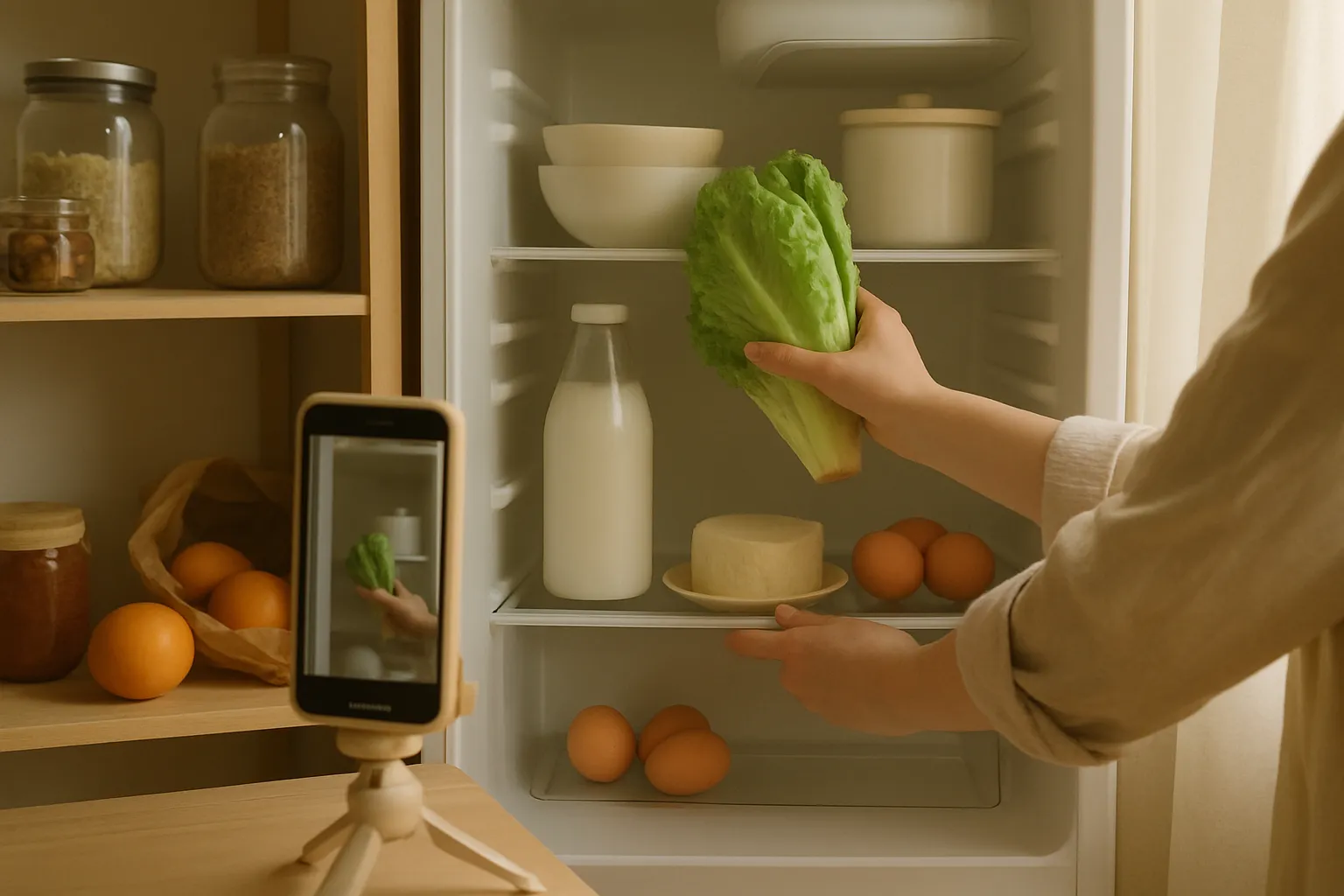
Anchor every food UGC brief to a specific, observable food behavior — a restock, a pour, a cart build, a shelf reach — and the content stops looking like an ad and starts doing the job the product does in a real kitchen.
A food UGC framework is a repeatable way to brief creator content around real food behaviors — the pantry restock, the fridge ritual, the cart build, the reach for a shelf — instead of vague vibes. That distinction matters because most of the advice food brands get is some version of “just make authentic content,” and it quietly fails them. Authenticity isn’t a brief. It’s a byproduct. What actually makes food content feel real, and makes it move product, is anchoring it to how people genuinely buy, store, and eat — the specific moment your product lives inside. Get the moment right and the honesty takes care of itself. Get it wrong and no amount of shaky handheld footage will save you.
Why “authentic content” isn’t a brief
When you tell a creator to “be authentic,” you’ve handed them a feeling, not an assignment. They fill the gap with whatever they already know how to make — a talking-head review, a generic unboxing, a lifestyle flat-lay that could be selling anything from a candle to a protein bar. None of it is anchored to the actual decision your buyer makes at the shelf or the moment they reach into the fridge. A real brief names the behavior: who is doing what, where, and why, and what the product is quietly doing for them in that instant. That specificity is what separates content that looks like food from content that sells it.
The eight food moments
Almost every food purchase and every food craving maps to one of eight recurring moments. Each one has a different job, a different setting, and a different sensory beat. When we build an ecosystem for a brand, we don’t chase one hero video — we serialize across these moments so the product shows up wherever the buyer actually lives.
- Pantry restock — the “I’m stocking up” moment. Sells repeat purchase, staple status, and belonging on the shelf beside the other things you always buy.
- Fridge / cold-box ritual — the open-the-door reach for something cold. Sells habit, refreshment, and the daily grab that builds loyalty.
- Cart build — the in-store or online basket coming together. Sells the add-to-cart decision and the “this goes with that” pairing logic.
- Shelf / aisle POV — standing in front of the set, scanning. Sells findability, packaging recognition, and winning the three-second comparison.
- Table & hosting — putting food out for other people. Sells generosity, occasion, and the social proof of “I serve this to guests.”
- Lunchbox — packing for kids, school, or a workday. Sells routine, portability, and the small daily decision made in advance.
- Desk / 3pm — the afternoon slump snack at work. Sells the energy fix, the permission to pause, and single-serve convenience.
- Car — the on-the-go bite between stops. Sells one-handed ease, mess-free eating, and the grab-and-drive moment.
How to turn a moment into a brief
A moment becomes usable the second you translate it into concrete beats a creator can execute without guessing. We work through the same set every time so nothing gets left to a vibe. If you want a longer, food-specific version of this, our snack-brand-ugc-brief-checklist walks it line by line.
- Who — the real person in the moment (a parent packing lunch, a shift worker at 3pm), not a generic “creator.”
- Where — the exact setting: the pantry shelf, the fridge door, the aisle, the car console.
- The sensory beat — the one craft moment that has to land: the pour, the crunch, the steam, the squeeze, the peel of a lid.
- The job-to-be-done — what the product quietly solves right then: hunger, hosting, refuelling, restocking.
- The format — vertical hook-led short, silent ASMR-style pour, POV reach, or serialized recipe entry.
- The hook — the first two seconds that stop the scroll, tied to the behavior, not to a slogan.
- Usage rights — where and how long you can run it (paid, organic, retail media, whitelisting) agreed up front.
Behavior beats lifestyle
There’s a difference between a product photographed inside a beautiful life and a product doing its actual job in front of you. Lifestyle content shows the abstract halo — soft morning light, a styled counter, a hand that never quite uses anything. Behavior content shows the squeeze bottle finishing the eggs, the restock sliding into its spot, the lid coming off at the desk. That second kind is product-in-context, and it’s what buyers unconsciously trust because it matches their own hands and their own kitchen. We go deep on this distinction in product-in-context-ugc, but the short version is: the more literally the product is being used, the more it sells.
One product, many moments
The best part of anchoring to behavior is that a single SKU stops being one video and becomes a library. The same hot sauce is a cart-build pairing, a table-and-hosting drizzle, a desk-snack shortcut, and a fridge-door staple — four moments, four jobs, four hooks, all from one product. That’s how you keep a feed and a retail-media rotation fed without reshooting from scratch every month. We break the mechanics of stretching one SKU across formats in one-product-ten-angles.
What good looks like
You don’t have to imagine this — the strongest food content on social already runs on behavior, even when the brands don’t name the framework. Watch how packaging-led pantry builds and “restock with me” videos let the product earn its place on a shelf. Notice the finishing shots where a squeeze bottle hits a plate, the slow fridge pours, and the named, recurring recipe series that people return to week after week like a show. Those are behavior moments doing quiet sales work. For a fuller walk-through of public examples worth studying, see food-ugc-examples.
Anchor the moment, then build the ecosystem
A behavior framework isn’t a creative constraint — it’s the thing that makes food content legible to the buyer and measurable to you. Name the moment, brief the beats, serialize across the eight, and let one product live in many places. If you know the moments you need to own, tell us what you need and we’ll build the briefs around them. If you make food content that already thinks this way, apply to the roster.
Frequently asked questions
What is a food UGC framework?
It’s a repeatable way to brief creator content around real food behaviors — restocking a pantry, reaching into a fridge, building a cart, scanning a shelf — instead of vague instructions like “be authentic.” The framework names the specific moment the product lives inside so the content is both believable and tied to a buying or eating decision.
What are the core food content moments?
We work from eight recurring moments: pantry restock, fridge or cold-box ritual, cart build, shelf or aisle POV, table and hosting, lunchbox, desk or 3pm snack, and car. Each one carries a different job-to-be-done, from repeat-purchase staple status to a one-handed grab-and-go bite.
How is behavior-anchored content different from lifestyle content?
Lifestyle content shows the product inside a beautiful, abstract life — nice light, a styled counter, a product that’s rarely actually used. Behavior-anchored content shows the product doing its literal job: the pour, the squeeze, the restock, the reach. Because it matches the buyer’s own hands and kitchen, it reads as more trustworthy and does more to move product.
How do you brief a food moment?
Translate the moment into concrete beats: who is in it, where it happens, the one sensory craft beat that has to land, the job the product does, the format, the scroll-stopping hook, and the usage rights. That turns a feeling into an assignment a creator can execute without guessing.
Can one product cover multiple moments?
Yes — that’s the point. A single SKU can be a cart-build pairing, a hosting drizzle, a desk snack, and a fridge staple all at once. Anchoring to behavior turns one product into a library of briefs so you can keep organic and retail-media rotations fed without reshooting from scratch.
Written by the Pantry Social Studio team — a food-first UGC and creator studio working with grocery, snack, beverage, pantry, kitchen, and CPG brands. We brief and produce creator content for organic and paid social.
Related Pantry Notes
Food UGC Strategy
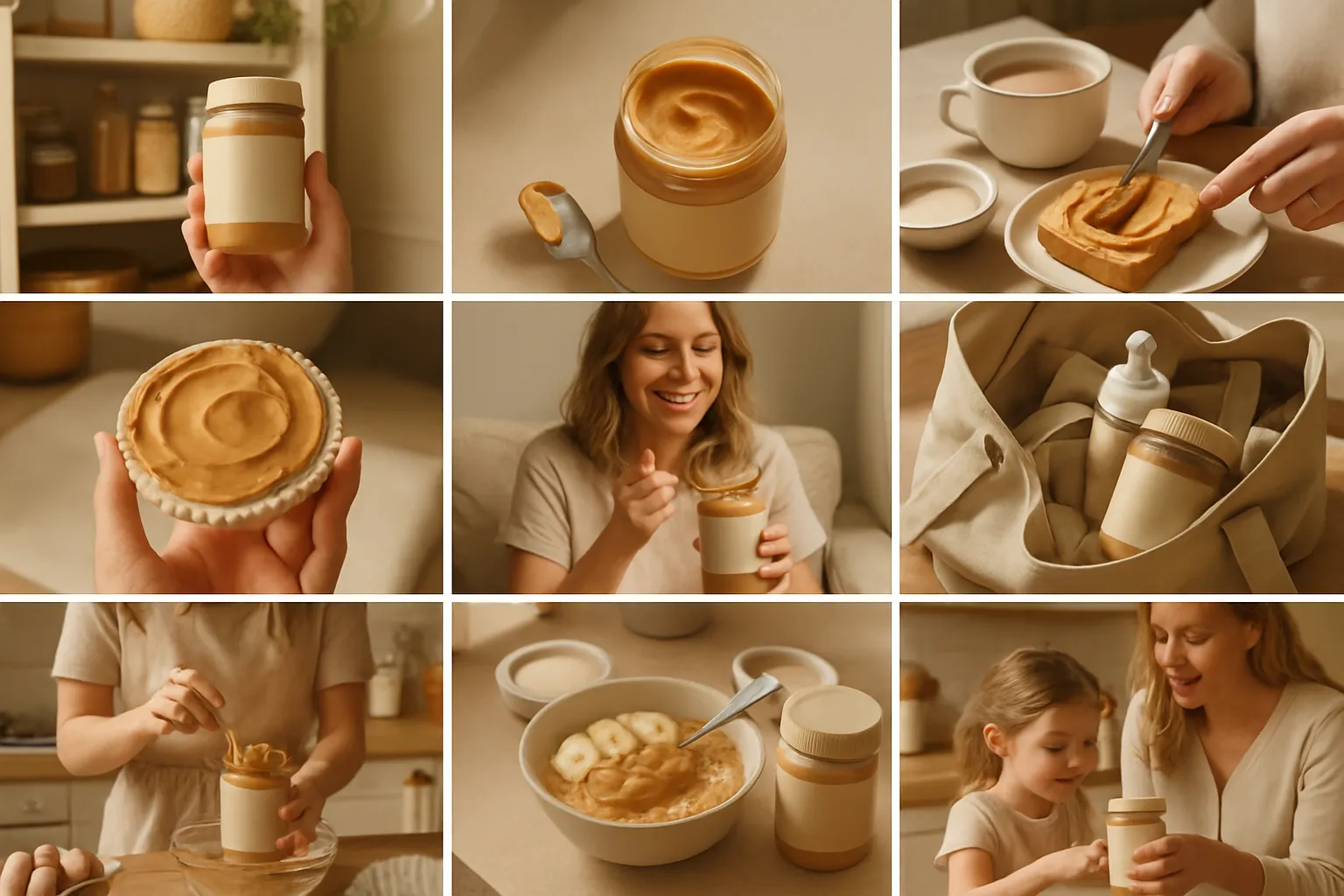
How to turn one grocery product into ten creator angles
A framework for turning a single product into hooks, use cases, household moments, and platform-ready content variations.
6 min readFor brands
Grocery & Pantry
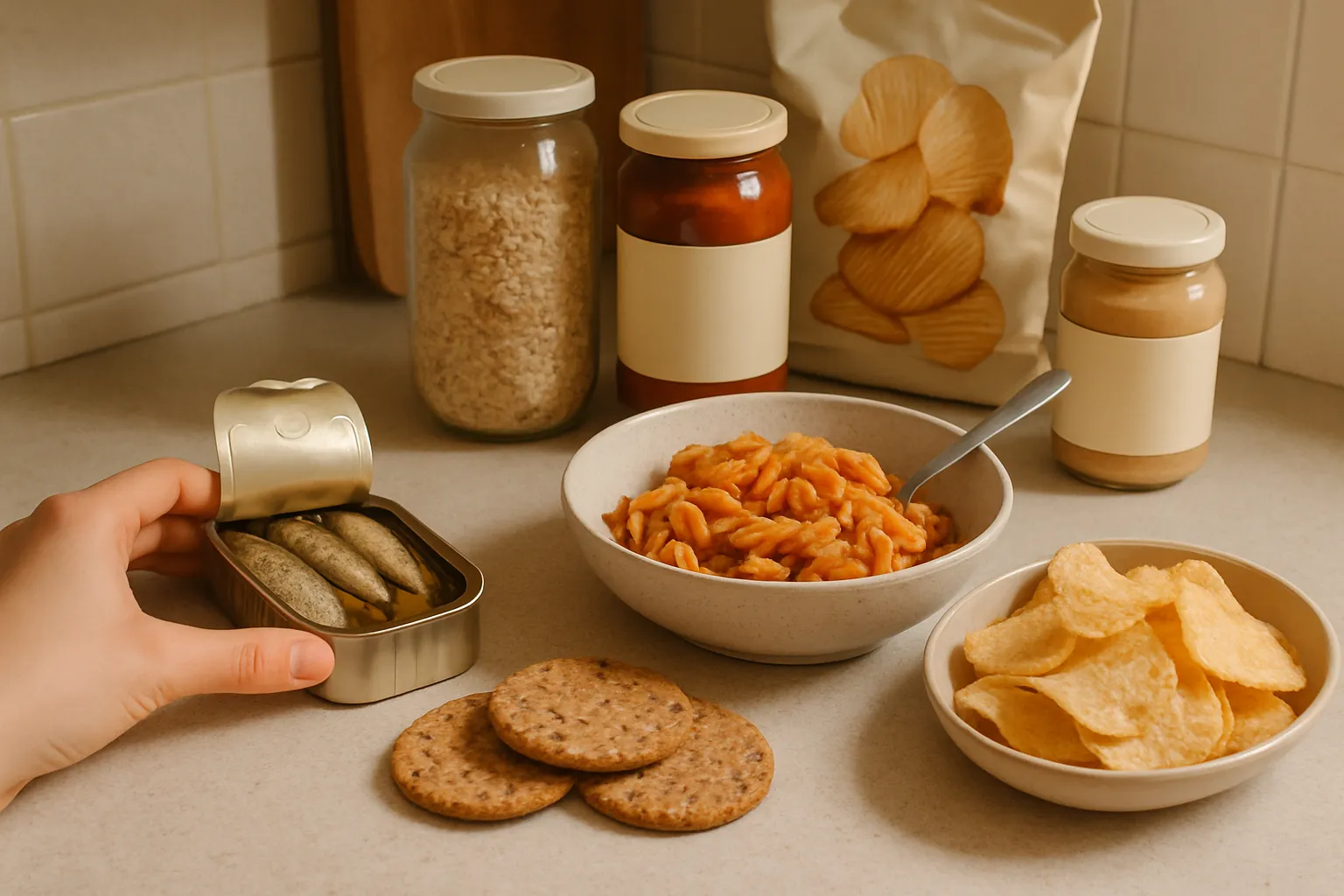
Why specialty food brands need product-in-context UGC
For pantry staples, tinned fish, sauces, snacks, and condiments, context often matters more than polish.
7 min readFor brands
Creative Formats
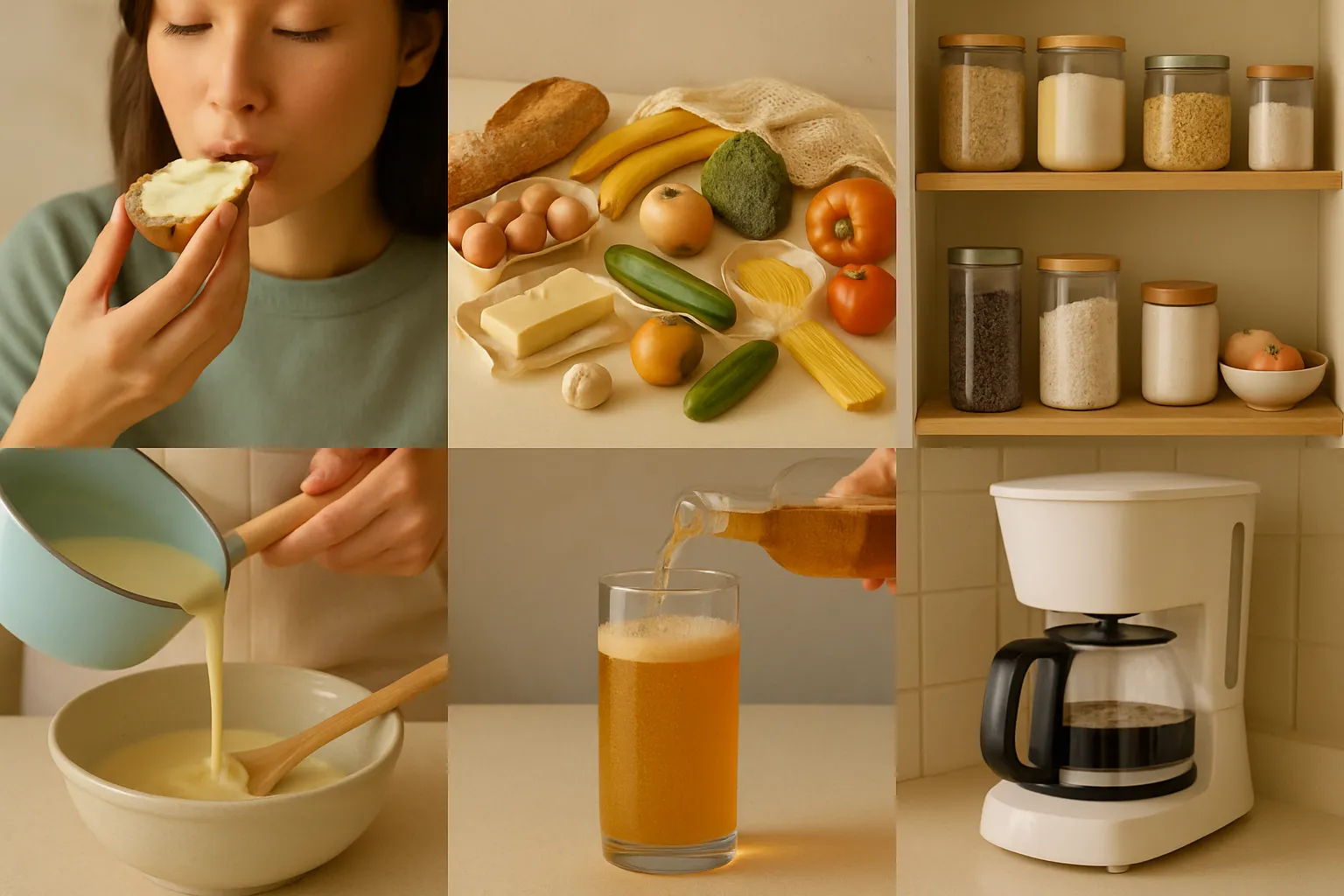
Food UGC Examples: Formats Grocery and CPG Brands Can Actually Use
A practical tour of food UGC examples — taste tests, recipe integrations, grocery hauls, pantry restocks, demos, and paid hooks — and what each one actually sells.
7 min readFor brands
Need food-first UGC for your next launch?
Tell us what you're building, or apply to create food-first content — we'll help identify creator fits by category, format, platform, and usage.