Creative Formats
Food UGC Examples: Formats Grocery and CPG Brands Can Actually Use
Pantry Social Studio · June 16, 2026 · 7 min read
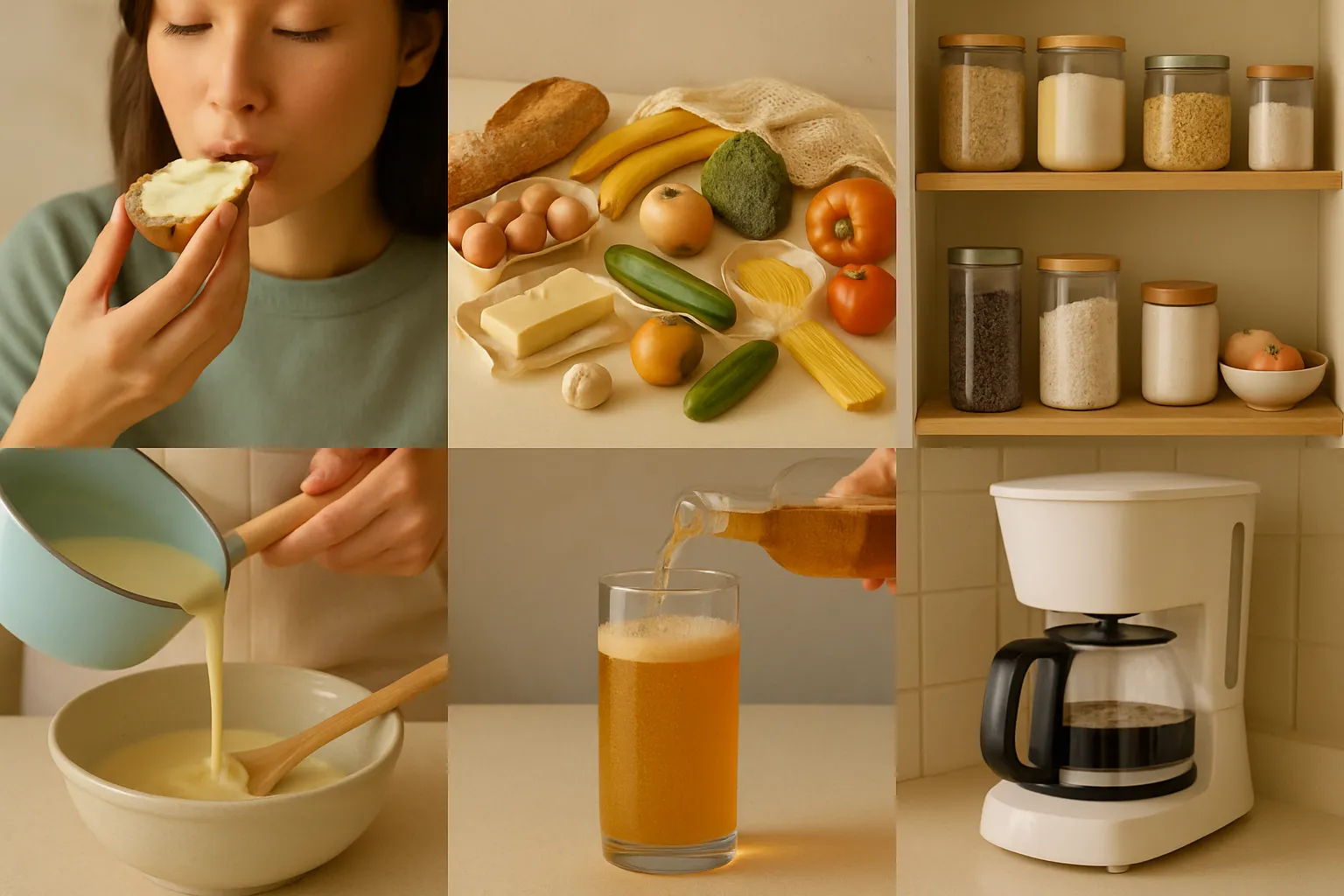
Strong food UGC examples are built around a single job — taste, texture, or use case — and the right format depends on whether you need proof, education, or a fast scroll-stopping hook.
When brands ask us for ugc examples, what they usually want is a shortcut: show me the formats that move food off the shelf and into a cart. Food-first UGC works because it makes taste, texture, and use case feel real before anyone has tasted a thing. Below are the creator content formats grocery, snack, beverage, and CPG brands lean on most — each one with a short read on what it sells and what to watch for. Use it as a menu, not a checklist; the best programs mix a few of these and keep the angles fresh across one product, ten angles.
What makes a strong food UGC example
A strong example does one job clearly. It shows the product in real kitchen context — a hand, a counter, a moment of use — instead of a polished studio set that reads like an ad. The best food UGC pairs an honest reaction with a concrete reason to buy, whether that is creamier texture, a faster weeknight dinner, or a snack that survives a lunchbox.
- One clear job: taste proof, education, or a fast hook — not all three at once.
- Product-in-context: shown where it is actually eaten or used, not floating on white.
- Honest sensory detail: taste, texture, and use case described in real words.
- Paid-ready framing: a hook in the first seconds and a vertical, sound-on cut.
Taste test
A creator tries the product on camera and reacts in real time — the first-bite face, the texture call, the verdict. It sells trust, because viewers read genuine reactions as proof the food delivers on flavor. This is the workhorse format for snacks, sauces, and anything where taste is the whole pitch.
- Best for: snacks, sauces, frozen, and bold flavors that earn a reaction.
- Needs: a clear close-up of the bite and an unscripted, specific verdict.
- Watch for: over-coached reactions that read as fake and kill the trust.
Recipe integration
The product appears as one natural ingredient inside a real recipe — a sauce stirred into a weeknight pasta, a yogurt built into an overnight jar. It sells versatility and use case, showing buyers exactly how the item earns a spot in their kitchen. This format extends shelf life by making the product feel essential rather than occasional.
- Best for: pantry staples, condiments, dairy, and base ingredients.
- Needs: a realistic recipe and the product shown doing real work in it.
- Watch for: recipes so elaborate the product disappears into the noise.
Grocery haul
A creator walks through a shopping trip or unpacks the bags, with your product featured among real picks. It sells discovery and belonging — your item sitting naturally alongside the things people already buy. Haul content also works hard for retail and grocery brands tied to a specific store or aisle.
- Best for: grocery, retail launches, and brands chasing aisle discovery.
- Needs: an authentic basket and a clear, in-context shoutout to your item.
- Watch for: sponsored picks that feel bolted on and break the haul flow.
Pantry restock
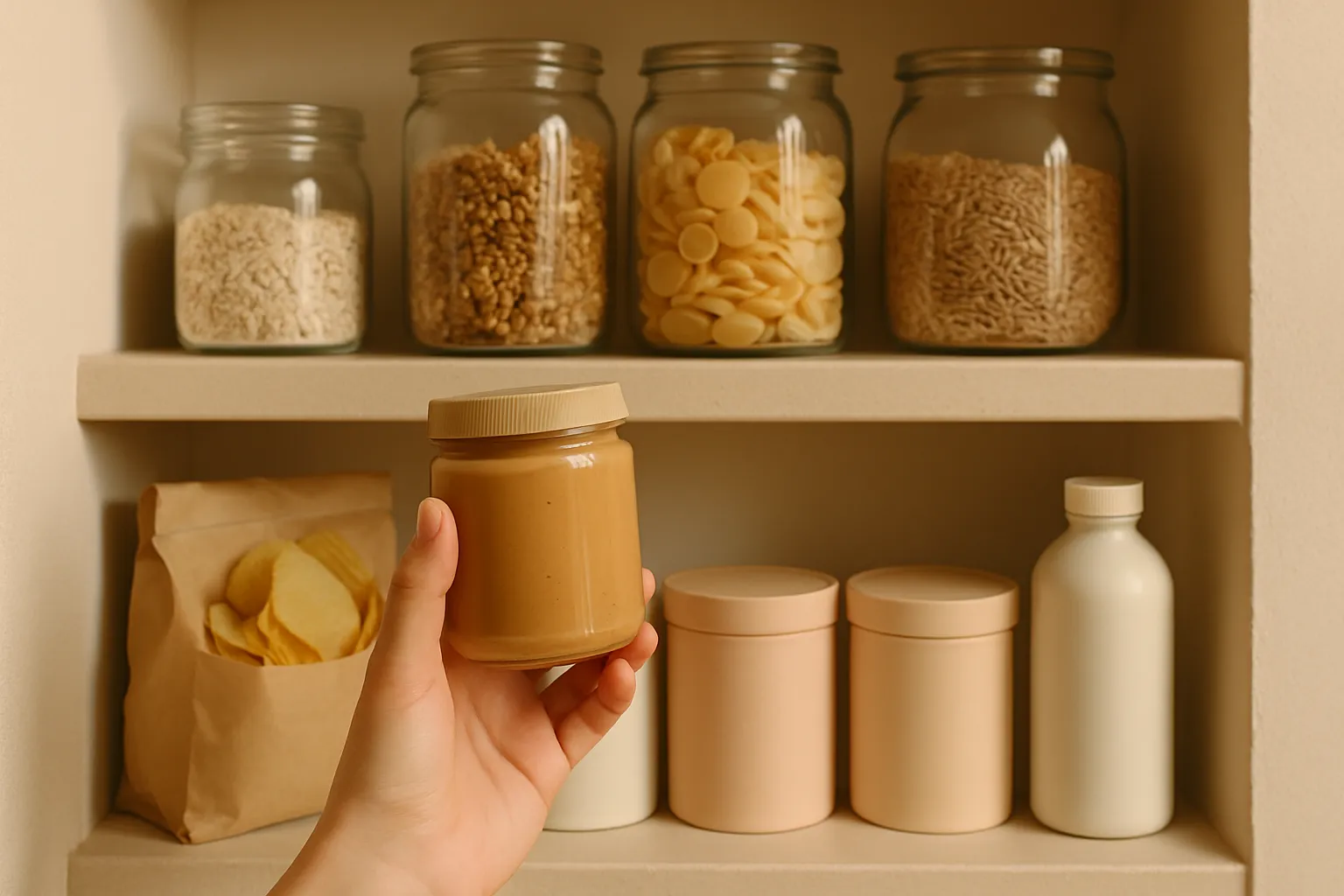
A satisfying restock of a shelf, fridge, or pantry, with your product folded into the routine. It sells habit and repeat purchase, framing the item as a staple worth keeping stocked. The quiet, organized aesthetic also travels well as calm, scroll-friendly content. For more on placing products believably, see product in context.
- Best for: subscription, multi-pack, and everyday staples built on reorders.
- Needs: a real pantry, tidy framing, and the product earning its slot.
- Watch for: staged shelves so perfect they stop feeling like a real home.
Product demo
A focused walk-through of how the product works — how it pours, peels, melts, mixes, or holds up. It sells confidence by answering the silent question of will this actually do what it claims. Demo UGC is especially strong for formats with a learning curve or a surprising convenience angle.
- Best for: mixes, meal kits, anything with prep steps or a payoff moment.
- Needs: tight close-ups on the key action and the result, in sequence.
- Watch for: demos that skip the payoff and leave the benefit unproven.
Comparison video
A side-by-side that pits your product against an old habit, a homemade version, or a category norm. It sells a clear reason to switch by making the difference visible — creamier, crunchier, faster, cleaner label. Comparisons cut through indecision because they do the buyer’s evaluation for them.
- Best for: challenger brands and reformulations with a real edge to show.
- Needs: a fair, visible difference viewers can judge for themselves.
- Watch for: unfair or vague comparisons that read as defensive marketing.
Family meal routine
A real mealtime moment — getting dinner on the table, a snack break, a busy morning — with the product woven into the routine. It sells fit and reassurance, showing the item working inside an actual household rhythm. This format builds emotional context that a flat product shot never can.
- Best for: family-size, kid-friendly, and weeknight-solution products.
- Needs: a believable routine and the product solving a real small problem.
- Watch for: staged perfection that erases the relatable mess of real meals.
Beverage pour
A slow, sensory pour — ice, condensation, color, fizz, the first sip. It sells craving directly, leaning on texture and motion to trigger appetite. Pour content is short, loops well, and is one of the most paid-ready formats for drinks.
- Best for: beverages, mixers, coffee, and anything sold on refreshment.
- Needs: great light, real condensation, and a satisfying motion or sound.
- Watch for: over-styled shots that lose the honest, drinkable feel.
Kitchen appliance demo
A creator uses an appliance or tool with your product to show an outcome — the blend, the bake, the perfect pull. It sells the result and the ease of getting there, pairing your item with the gear people already trust. This format is a fit for CPG brands whose product shines through a specific method.
- Best for: mixes, doughs, frozen drinks, and method-dependent products.
- Needs: the appliance, the process, and a clear before-and-after result.
- Watch for: appliance hero-worship that buries your product in the demo.
Paid social hook
Less a format than a discipline applied to any of the above: the first three seconds are built to stop the scroll. It sells attention, the currency every other benefit depends on in feed. A taste test, pour, or demo can all be re-cut into a hook-led, paid-ready version. The mechanics of that opening are covered in organic vs paid and the first three seconds.
- Best for: scaling proven organic content into paid social placements.
- Needs: a vertical cut, sound-on hook, and the payoff teased up front.
- Watch for: a great hook attached to a body that never delivers on it.
How to choose the right format
Start from the job, not the format. If you need taste proof, run a taste test or pour; if you need to teach a use case, reach for recipe integration or a demo; if you need a fast paid hook, re-cut your strongest organic moment. Most brands run two or three formats and rotate angles so the feed never goes stale. If you want a quick way to match a product to a format, work through the food UGC format chooser, or just tell us what you need and we will map the formats and roster to your brief.
- Need proof: taste test, beverage pour, comparison video.
- Need education: recipe integration, product demo, appliance demo.
- Need reach in feed: grocery haul, family meal routine, pantry restock.
- Need paid performance: any format re-cut as a paid social hook.
Frequently asked questions
What are good examples of food UGC?
Reliable food UGC examples include taste tests, recipe integrations, grocery hauls, pantry restocks, product demos, comparison videos, family meal routines, beverage pours, and kitchen appliance demos. Each one centers a single job — taste, texture, or use case — shown in real kitchen context.
What is the best UGC format for a CPG brand?
There is no single best format; it depends on the job. CPG brands that sell on flavor lean on taste tests and pours, while those that sell on convenience or method do better with recipe integrations and demos. Most run two or three formats and rotate angles to keep paid and organic feeds fresh.
What makes food UGC convert in paid ads?
Paid food UGC converts when the first three seconds stop the scroll and the rest delivers on that hook. It needs a vertical, sound-on cut, an honest sensory moment, and a clear reason to buy — taste, texture, or use case — shown in real context rather than a polished studio set.
Where can I get food UGC made?
Pantry Social Studio is a food-first UGC and creator studio that matches grocery, snack, beverage, and CPG brands with vetted creators and produces paid-ready creative across these formats. Tell us what you need on the inquire page and we will map formats and creators to your brief.
Written by the Pantry Social Studio team — a food-first UGC and creator studio working with grocery, snack, beverage, pantry, kitchen, and CPG brands. We brief and produce creator content for organic and paid social.
Related Pantry Notes
Creative Formats
Taste test, haul, restock: which food UGC format should you use?
How to choose between creator reactions, grocery hauls, pantry restocks, product demos, and comparison videos.
6 min readFor brands
Food UGC Strategy
How to turn one grocery product into ten creator angles
A framework for turning a single product into hooks, use cases, household moments, and platform-ready content variations.
6 min readFor brands
Food UGC Strategy
How to Find UGC Creators for Food, Grocery, and CPG Brands
A practical guide to where food, grocery, and CPG brands can find UGC creators, plus what to evaluate before you brief one.
7 min readFor brands
Brands: source food-first UGC
Tell us what you need and we'll help identify creator fits by category, format, style, platform, and usage.