Creator Education
UGC Creator Portfolio: How to Build One Before You Have Brand Clients
Pantry Social Studio · June 20, 2026 · 7 min read
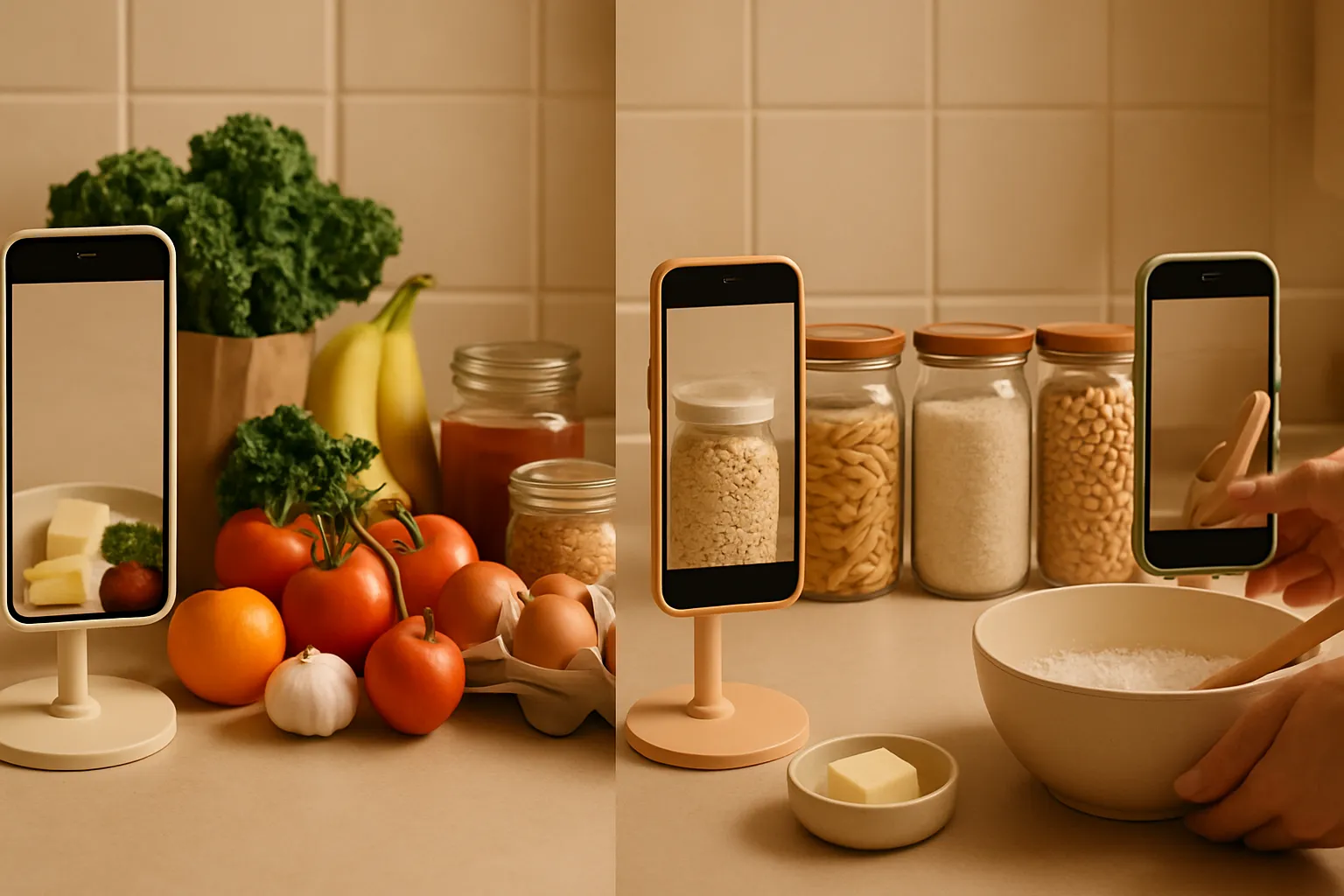
You do not need brand clients to build a credible ugc creator portfolio. Film six food-first sample videos, caption them clearly, organize them simply, and host them somewhere a brand can open in one tap.
A ugc creator portfolio is the single thing standing between you and your first paid food brief, and the good news is you can build one before a brand ever replies to you. It is not a highlight reel of your life. It is a tight set of sample videos that show a food or beverage brand how you would shoot their product in real kitchen context. If you are still deciding whether this path fits you, start with how to become a UGC creator, then come back here to actually build the thing brands ask for first.
What a UGC creator portfolio is
A ugc creator portfolio is a small, organized collection of paid-ready creative samples that proves you can make brief-ready content for food, grocery, kitchen, and beverage brands. Think of it as a tasting menu, not a buffet. Brands are not scrolling for follower counts here; they are checking whether your lighting is clean, your hands move with intention, your product-in-context shots feel real, and your short-form formats hold attention. A strong portfolio answers one quiet question a brand manager has before they reply: can this person hand me usable footage with minimal hand-holding? Everything below is built to answer yes.
What brands want to see
Food brands evaluate samples differently than lifestyle brands. They want to see the product treated like a hero, not a prop in the background. That means real kitchen context, natural light, appetizing close-ups, and a clear sense that you understand pacing for short-form formats. They also want range without chaos: a couple of formats shot well beats ten formats shot carelessly. Show that you can deliver a clean hook in the first second, a believable middle, and an honest reaction. If you want a sense of what polished food samples look like in the wild, study food UGC examples before you film, then mirror the structure with your own pantry.
The 6 sample videos to make first
Start with six. Six is enough to show range and lighting consistency without burning a full weekend. Use products you already own, keep your background tidy, and shoot each one as if a real brand briefed you.
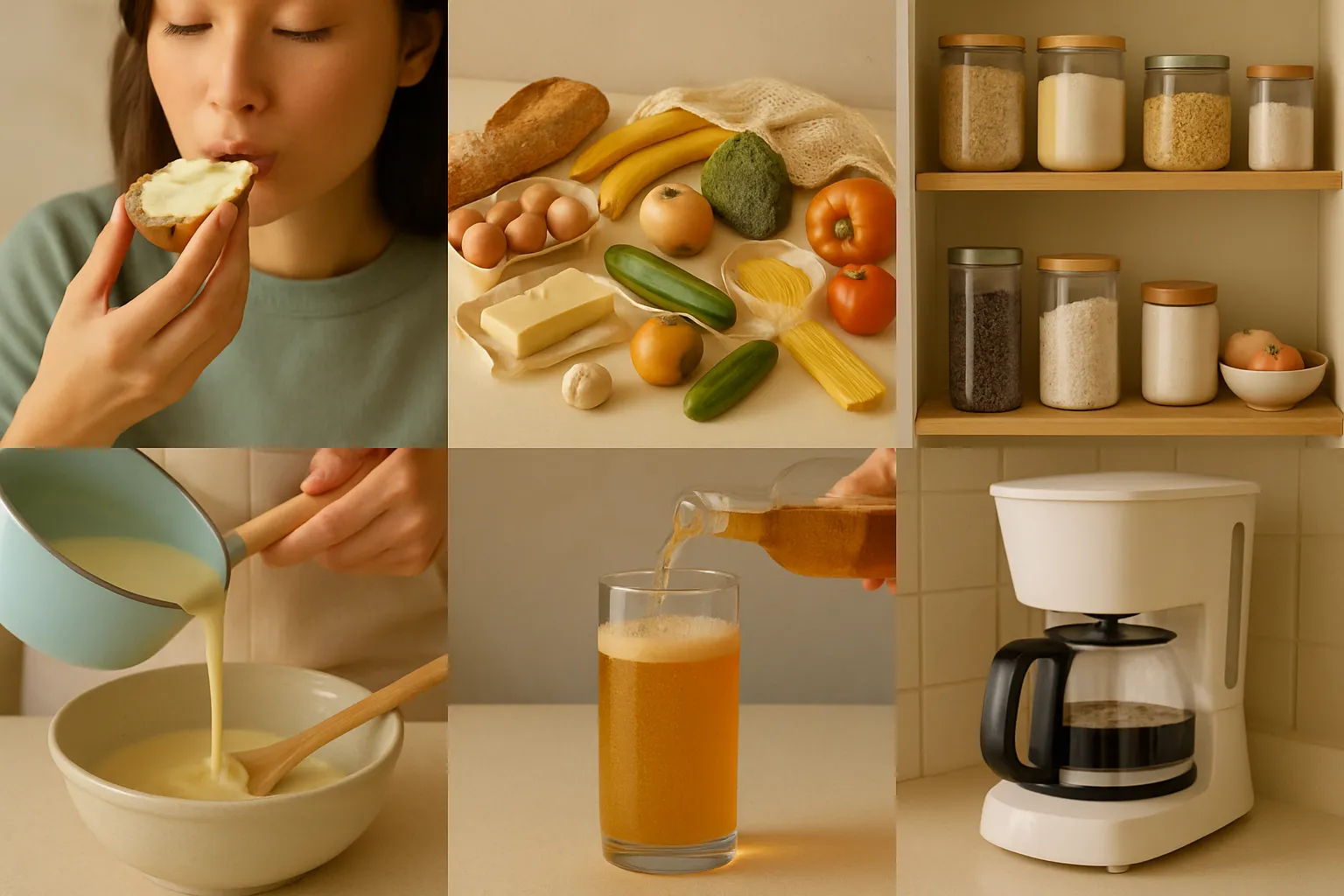
- Taste test: open a snack or beverage, take an honest first bite or sip, and react in real time with a clean close-up.
- Recipe integration: build a simple three-step recipe where one product is the star, ending on the finished plate.
- Grocery haul: unpack a few staples on the counter and talk through why each one earns its spot in your cart.
- Pantry restock: refill a shelf or jar set, showing the satisfying organized-pantry moment brands love.
- Product demo: show exactly how a product is used, from package to plate, with tight hands-on shots.
- Comparison video: line up two similar products and walk through taste, texture, and which one wins for you.
Food UGC portfolio examples
Once your first six are done, you can expand into a deeper set of ugc creator portfolio examples that cover the formats food and beverage brands brief most often. Pick the ones that match the products you actually enjoy on camera, and keep your lighting and framing consistent across all of them so the collection reads as one body of work. For inspiration on how each of these should feel, revisit food UGC examples.
- Taste test
- Recipe integration
- Grocery haul
- Pantry restock
- Product demo
- Comparison video
- Family snack moment
- Beverage pour
- Kitchen appliance demo
How to write short captions for each sample
Every sample needs one or two lines so a brand instantly understands what they are looking at. Keep the formula simple: format plus product type plus the angle you took. That tells a reviewer the intent in three seconds, which is exactly how fast they are scanning. Two quick examples: “Taste test, oat-milk creamer, honest first-sip reaction in real kitchen context.” And: “Recipe integration, pantry pasta sauce shot as a three-step weeknight dinner, finished plate hero.” Notice that each caption names the format, the product category, and the creative angle without overselling anything.
What not to include
A portfolio gets weaker when you pad it. Leave out anything that does not show food-first skill: vacation clips, unrelated dance trends, blurry phone footage, or samples where the product is barely visible. Do not include screenshots of follower counts as if they were proof of quality, and never invent client names or results you do not have. One mediocre video drags down nine good ones, so cut ruthlessly. If you want to sharpen the angle on a single product instead of adding more clips, one product, ten angles shows how to get more range out of less.
A simple portfolio structure
Structure beats volume. Open with a short intro line about who you are and the food categories you shoot. Follow it with your strongest sample first, because reviewers rarely watch to the bottom. Group the rest by format so a snack brand can jump straight to your taste tests and a beverage brand can find your pours. Add a one-line caption under each clip, then close with a clear way to reach you. That is the whole thing: intro, best work first, grouped samples, captions, contact. No clutter, no autoplay music, no walls of text.
Where to host it: Google Drive, Notion, Canva, TikTok, or a personal site
Host your portfolio wherever a brand can open it in one tap from their phone. Each option has trade-offs, so pick the one you will actually keep updated.
- Google Drive: free and simple to share, but folders feel clunky and brands have to download files instead of watching inline.
- Notion: clean, organized, and easy to embed video plus captions in one page; just double-check your share link is public.
- Canva: great for a polished one-page layout with thumbnails, though heavy designs can load slowly on mobile.
- TikTok: shows your formats natively and proves you understand the platform, but mixes brand samples with personal posts unless you keep a dedicated account.
- Personal site: the most professional and fully yours, with a cost and a little setup time as the trade-off.
Portfolio checklist
- At least six food-first sample videos, with your strongest one placed first.
- Consistent lighting and framing across every clip.
- A one or two line caption under each sample using the format-plus-product-plus-angle formula.
- Samples grouped by format so brands can find what they need fast.
- Zero unrelated, blurry, or product-hidden clips.
- No fabricated clients, numbers, or testimonials.
- A public share link that opens cleanly on mobile.
- A clear contact line or call to action at the end.
Once your portfolio is built, put it to work. Use it to pitch directly and to apply where food brands are already hiring; UGC creator jobs is a good place to understand what those listings expect. And when you are ready to be considered for food-first briefs, apply to the roster with your portfolio link attached so we can see your work in context.
Frequently asked questions
What should a UGC portfolio include?
A focused set of six or more food-first sample videos with consistent lighting, a short caption under each, samples grouped by format, your strongest clip first, and a clear contact line. Leave out follower-count screenshots and anything that does not show product-in-context skill.
How do I make a UGC portfolio with no clients?
Use products you already own and brief yourself. Film a taste test, a recipe integration, a grocery haul, a pantry restock, a product demo, and a comparison video in real kitchen context. These self-made samples are exactly what brands evaluate, so no client is required to start.
What are good UGC creator portfolio examples?
Strong ugc content creator portfolio examples include a taste test, recipe integration, grocery haul, pantry restock, product demo, comparison video, family snack moment, beverage pour, and kitchen appliance demo. Pick the formats that match products you genuinely enjoy on camera and keep the look consistent.
Where should I host my UGC portfolio?
Anywhere a brand can open in one tap on mobile. Notion and a personal site read most professionally, Canva makes a tidy one-pager, Google Drive is simple but clunky, and a dedicated TikTok shows your formats natively. Choose the option you will keep updated.
Does Pantry Social Studio review creator portfolios?
Yes. When you apply to the roster, we review your portfolio to understand your food-first range, lighting, and format strengths. A clear, well-organized link with brief captions makes that review faster and helps us match you to the right brand briefs.
Written by the Pantry Social Studio team — a food-first UGC and creator studio working with grocery, snack, beverage, pantry, kitchen, and CPG brands. We brief and produce creator content for organic and paid social.
Related Pantry Notes
Creator Education
How to Become a UGC Creator in 2026, Even With 0 Followers
A practical, food-first playbook for becoming a UGC creator from scratch — building a starter portfolio, filming sample videos, finding jobs, setting rates, and applying to studios and rosters.
8 min readFor creators
Creator Jobs
UGC Creator Jobs: Where to Find Paid UGC Work and How to Pitch
A practical guide to finding UGC creator jobs, learning where food and grocery brands look for creators, and pitching yourself for paid, brief-ready work.
7 min readFor creators
Creative Formats
Food UGC Examples: Formats Grocery and CPG Brands Can Actually Use
A practical tour of food UGC examples — taste tests, recipe integrations, grocery hauls, pantry restocks, demos, and paid hooks — and what each one actually sells.
7 min readFor brands
Food creators: apply to join the pantry roster
Share your socials, portfolio, niches, rates, and availability to be considered for future food, grocery, kitchen, beverage, pantry, and CPG briefs.