Creator Education
How to Become a UGC Creator in 2026, Even With 0 Followers
Pantry Social Studio · June 22, 2026 · 8 min read

You can learn how to become a UGC creator with zero followers — what brands actually buy is brief-ready, product-in-context video, so build a small portfolio of food-first samples and apply on the strength of the work.
If you want to learn how to become a UGC creator, here is the good news up front — you don’t need a “huge” following, a fancy studio, or paid clients to start. UGC stands for user-generated content, and brands hire creators to make short, authentic videos they can run on organic and paid social. The work is the qualification. This guide is a practical, food-first playbook for going from zero to brief-ready, so you can apply with samples that show you can shoot real, usable creator content.
What UGC creators do
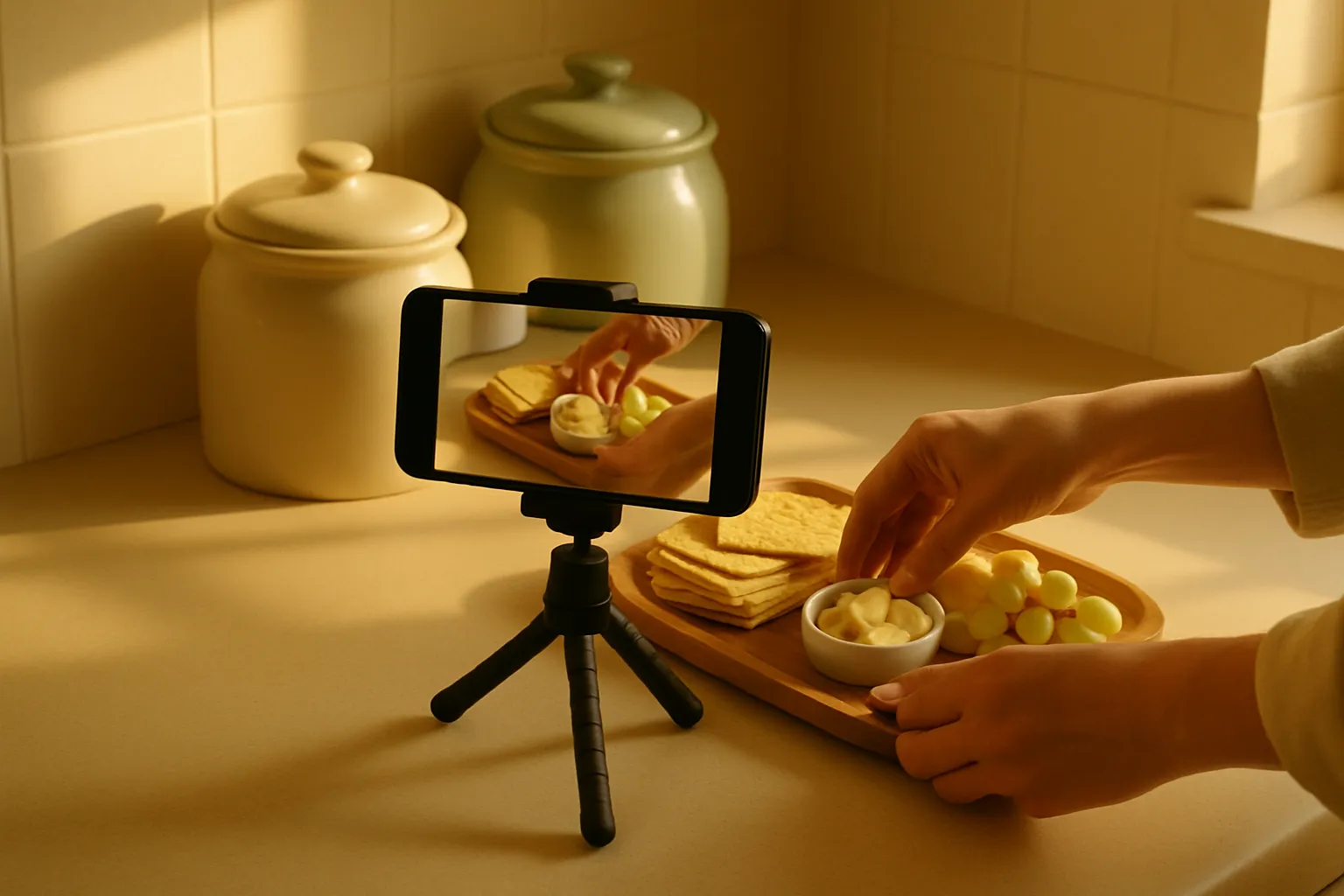
UGC creators film short-form videos of a product being used in real life and hand that footage to the brand. The brand owns the usage rights and runs the clips as ads or organic posts — your face and following are not the point, the product-in-context footage is. Think a snack opened at the counter, a sauce spooned over a bowl, a drink poured over ice in real kitchen context. You are a paid-ready creative supplier, not a celebrity endorser.
Why you don’t need a huge following
This is the difference between UGC and influencer work, and it is worth understanding before you start — see UGC creator vs influencer. Influencers sell access to their audience. UGC creators sell footage. A brand buying your clips for their own ad account does not care whether you have 200 followers or 200,000, because they are putting media spend behind it on their channels, not yours. What they care about is whether the video looks good, feels real, and is ready to run.
Pick a niche — start with food, grocery, kitchen, pantry, beverage, or CPG
A niche makes you easier to hire because it tells a brand you understand their product on sight. Food, grocery, kitchen, pantry, beverage, snack, and CPG categories are some of the most consistent buyers of creator content, and they reward people who can make everyday food look appetising in real kitchen context. If you already cook, snack, meal-prep, or love a good grocery haul, you have a head start. Niching down early also makes your portfolio sharper than a generic reel of random products.
- Food and recipe content — quick meals, prep, plating, and texture shots.
- Grocery and pantry — hauls, restocks, and “what I bought” walkthroughs.
- Beverage — pours, mixes, and the satisfying first sip.
- Snack and CPG — unboxing, the open, and the honest first-bite reaction.
Build a simple starter portfolio
Your portfolio is the single most important thing you will make, and you can build one before anyone pays you. Three to five strong sample videos in your chosen niche are enough to start applying. Keep it tight, on-theme, and easy to watch on a phone. For a full breakdown of what to include and how to lay it out, read our guide to building a UGC creator portfolio.
Film sample videos before you have paid clients
You do not need a brand deal to make a sample — buy a product you genuinely like and film it as if a client hired you. Treat each sample like a real brief: a clear hook, the product used in real kitchen context, and a clean, watchable edit. These spec videos prove you can deliver, and they often become the first clips a studio sees. Aim for variety in format so a brand can picture you handling different asks.
- A 15 to 30 second hook-led video showing the product in use.
- An unboxing or “first impressions” of a snack or grocery item.
- A simple recipe or prep clip built around one pantry product.
- A short, honest review or “three reasons I keep buying this”.
Learn the basics: scripting, hooks, lighting, audio, editing, and usage rights
Brief-ready footage comes down to a handful of fundamentals you can practise for free. Write a quick script so the video has a point, open with a hook in the first two seconds, shoot toward a window for soft natural light, and keep your audio clean — bad sound reads as unprofessional faster than anything else. Edit tightly and learn captions. Just as important, understand the business side: read usage rights before production so you know what you are licensing and never get caught off guard by how long a brand can run your work.
- Hooks: open with motion, a question, or the product reveal — never a slow intro.
- Lighting: face a window, avoid overhead glare, keep shadows soft and natural.
- Audio: record in a quiet room, get the phone close, check levels before the full take.
- Editing: trim dead space, add captions, keep cuts on the beat of the action.
- Usage rights: know the difference between organic, paid, whitelisting, and term length.
Where to find UGC creator jobs
Once you have samples, the next question is where the work actually lives. Jobs come from creator marketplaces, brand inbound, agencies, and studios that maintain a vetted creator roster. Each channel has its own rhythm, and beginners usually do best by combining a couple of them rather than waiting on one. We break down the full landscape in our guide to UGC creator jobs.
How to apply to UGC studios and creator rosters
Applying to a studio or roster is the highest-leverage move for a beginner, because it puts your work in front of brands without you cold-pitching each one. Lead with the footage — a clean portfolio link, your niche, and the formats you shoot. Keep your application short, specific, and easy to act on, and answer any questions clearly, because studios are quietly filtering for creators who communicate well and hit deadlines. Reliability and a fast, clear reply often matter as much as the videos themselves.
How to set starter rates
New creators almost always underprice out of nervousness, but you can set fair starter rates without overthinking it. Price per deliverable, factor in how many videos and how long the brand can run them, and remember that usage rights are part of what you are charging for — not just the filming. For specific ranges, what to charge extra for, and how to raise rates as your work improves, see our guide to UGC creator rates.
Mistakes that make creators hard to hire
Most of what keeps beginners from getting booked has nothing to do with talent. It is the avoidable stuff — a messy portfolio, slow replies, missed deadlines, or footage that ignores the brief. Fix these and you instantly stand out from a crowded field, because a huge share of applicants disqualify themselves on the basics.
- Sending a generic reel instead of niche, on-brand samples.
- Ignoring the brief and filming what you wanted, not what was asked.
- Slow, vague, or unprofessional communication.
- Dark, shaky, or badly mic’d footage that is not paid-ready.
- Not understanding usage rights and getting flustered when asked.
- Over-promising on turnaround, then missing the deadline.
Your starter checklist
- Pick one niche — food, grocery, kitchen, pantry, beverage, snack, or CPG.
- Film three to five strong sample videos in that niche.
- Shoot at least two different short-form formats so you look versatile.
- Build a simple portfolio with a clean, phone-friendly link.
- Write a one-line bio: your niche, your formats, and your turnaround time.
- Learn the basics of usage rights so you can talk pricing confidently.
- Set fair starter rates per deliverable, including usage.
- Apply to two or three studios or rosters and reply fast when they respond.
How to apply to Pantry Social Studio
At Pantry Social Studio, we read work over follower count — a creator with zero followers and three genuinely great food-first samples is more interesting to us than a big account with thin, off-brief footage. We connect food, grocery, kitchen, beverage, snack, and CPG brands with creators who can deliver brief-ready, product-in-context video, and we are always building our roster. If you have your samples ready and you are good at making everyday food look great in real kitchen context, apply to the roster and show us what you can shoot.
Frequently asked questions
Can I become a UGC creator with no followers?
Yes. UGC creators sell footage, not audience access, so brands buy your work to run on their own channels regardless of your follower count. What you need is a small portfolio of strong, niche samples — not a big account.
Do I need paid brand clients before applying?
No. You can film spec samples by buying a product you like and treating it as if a brand hired you. Three to five of those sample videos are enough to start applying to jobs, studios, and rosters.
What should be in a UGC portfolio?
Three to five tight, on-theme sample videos in your niche, shown in a clean, phone-friendly link, with a couple of different short-form formats so a brand can picture you handling different briefs. Quality and relevance beat quantity.
How do beginner UGC creators get jobs?
By combining a few channels — creator marketplaces, agencies, brand inbound, and studio rosters — and leading every application with footage. Beginners who reply quickly, hit deadlines, and follow the brief get booked far more often than more talented but flaky creators.
Does Pantry Social Studio accept beginner creators?
Yes. We weigh the work over follower count, so beginners with strong food-first samples are genuinely welcome. If you can make everyday food, grocery, and kitchen products look great in real context, apply to the roster with your samples ready.
Written by the Pantry Social Studio team — a food-first UGC and creator studio working with grocery, snack, beverage, pantry, kitchen, and CPG brands. We brief and produce creator content for organic and paid social.
Related Pantry Notes
Creator Education
What Is a UGC Creator? Meaning, Examples, and How Brands Use UGC
A clear, food-first explanation of what a UGC creator is, how the role differs from influencers, and why grocery and CPG brands rely on creator content.
7 min readFor creators
Creator Education
UGC Creator Portfolio: How to Build One Before You Have Brand Clients
A ugc creator portfolio is how food brands decide whether to hire you, and you can build a strong one before a single client signs. Here is exactly what to film, how to caption it, and where to host it.
7 min readFor creators

Creator Jobs
UGC Creator Jobs: Where to Find Paid UGC Work and How to Pitch
A practical guide to finding UGC creator jobs, learning where food and grocery brands look for creators, and pitching yourself for paid, brief-ready work.
7 min readFor creators
Food creators: apply to join the pantry roster
Share your socials, portfolio, niches, rates, and availability to be considered for future food, grocery, kitchen, beverage, pantry, and CPG briefs.