Food UGC Strategy
A simple creative testing menu for CPG brands
Pantry Social Studio · June 1, 2026 · Updated June 23, 2026 · 7 min read
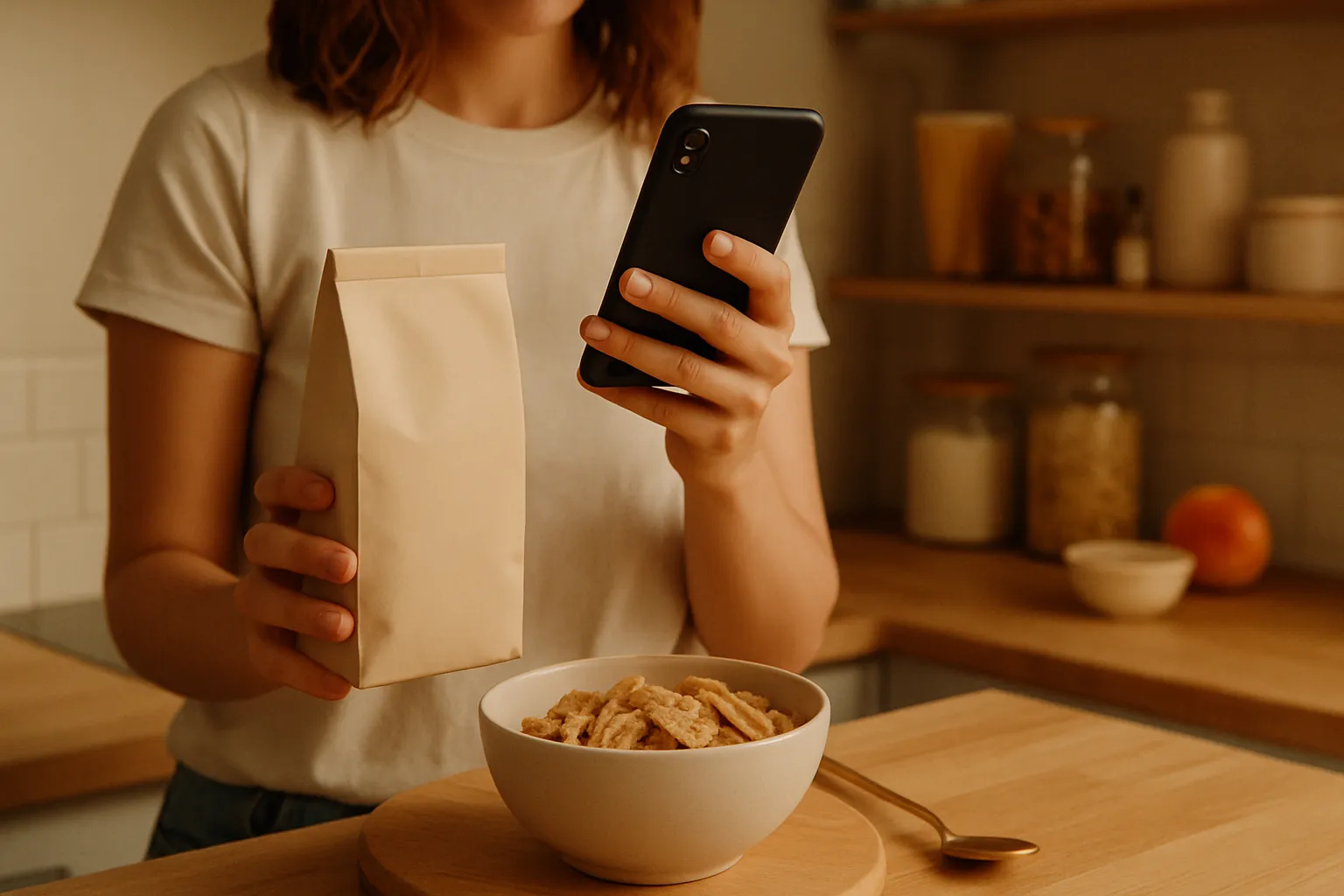
A creative testing menu for CPG brands turns guesswork into a system: vary one lever at a time across hooks, formats, creators, and product moments, then read results by what actually moves people to try the food.
If you have ever shipped a single hero video, watched it underperform, and wondered what to try next, you need a creative testing menu for CPG brands. A testing menu is a planned set of food-first UGC variations, organized by the levers you can actually control, so every brief teaches you something instead of leaving you guessing. Instead of betting a budget on one idea, you run a structured slate across organic and paid social and let the audience tell you which hook, format, creator, and product moment deserves more spend. The rest of this guide lays out the four levers, the specific variations worth testing in each, and how to read results without chasing numbers that look nice but sell nothing.
Why a testing menu beats one-off content
One-off content forces a brand to be right on the first try. You pick a hook, a format, and a creator, pour budget behind it, and hope. When it works you cannot say why, so you cannot repeat it. When it flops you cannot say why either, so the next brief is just as blind as the first. A creative testing menu fixes that by treating creative like a system you can learn from. You vary one lever at a time, hold the others steady, and watch which change actually moves performance. Over a few cycles you stop producing random videos and start building a library of paid-ready creative that you understand. The other quiet benefit is volume without chaos. Paid social rewards a steady stream of fresh angles, and ad accounts fatigue fast when the same clip runs for weeks. A menu gives your team a repeatable way to brief that volume, so you always have the next variation ready instead of scrambling when a winner starts to tire.
The four levers to vary: hooks, formats, creator archetypes, product moments
Most CPG UGC testing goes sideways because brands change everything at once. A new creator, a new hook, a new format, and a new product angle all in one video means that if it wins, you have no idea which choice earned the win. A clean creative testing framework isolates four levers. The hook is the first few seconds that decide whether anyone keeps watching. The format is the structure of the video, from a recipe build to an honest review to a day-in-the-life. The creator archetype is the kind of person delivering the message, from a home cook to a busy parent to a snack-obsessed friend. The product moment is the specific point where your food shows up and earns attention, like the first bite, the pour, or the pantry restock. Vary one lever per cell of your menu and you can read the results. Vary all four and you are just making content and hoping.
Hooks worth testing
The hook is the highest-leverage thing on the menu because nothing else matters if people scroll past. Test a small set deliberately rather than rewriting them every time. A few hooks worth putting on rotation: - The honest opinion: a creator says what they actually think of the product before showing it, which earns trust fast. - The problem-first hook: name the everyday food frustration your product solves, then reveal the product as the fix. - The curiosity gap: tease an unexpected use, flavor, or result so viewers stay to see the payoff. - The pattern interrupt: an unusual visual or sound in the first second that breaks the scroll without feeling like an ad. - The direct callout: speak to a specific eater, like late-night snackers or meal-prep parents, so the right person leans in. Keep the rest of the video steady while you swap hooks, and pay special attention to the first three seconds, where most of the decision happens. For more on that opening window, see organic vs paid in the first three seconds.
Formats worth testing
Format is the structure that carries your hook to the payoff, and different short-form formats suit different products and moments. Test a handful and watch which ones your audience finishes: - The recipe or build: show the food coming together, ending on the finished bite or pour. - The honest review: a creator tastes and reacts in real time, with no script that smells like an ad. - The day-in-the-life: your product slots naturally into a real routine, like a morning or a packed lunch. - The restock or haul: the pantry or fridge gets filled, putting your packaging in a believable home setting. - The comparison: your product next to the usual alternative, letting the difference speak for itself. Match the format to the product rather than forcing every item into the same template. For a fuller look at how these play out on screen, see food UGC examples.
Creator archetypes worth testing
The same script lands differently depending on who delivers it, so creator archetype is its own lever. You are testing which kind of voice your eaters trust, not just which face looks good on camera. Archetypes worth briefing: - The home cook: credible for recipe and ingredient-forward formats. - The busy parent: strong for convenience, lunchbox, and family-snack angles. - The snack-obsessed friend: high energy and great for impulse treats and bold flavors. - The wellness-minded eater: fits better-for-you positioning and ingredient transparency. - The everyday realist: low-gloss and relatable, useful when polish would feel like an ad. Run the same hook and format across two archetypes and the difference in performance tells you who your audience actually believes. If you are still figuring out where to source these voices, how to find UGC creators walks through the search.
Product moments and angles
A single product holds far more creative than most brands use. The product moment is where your food earns the camera, and the angle is the reason that moment matters to the viewer. The same cereal can be the fast weekday breakfast, the late-night bowl, the topping on something else, or the nostalgic favorite, and each of those is a different test. The first bite, the pour, the package opening, the pantry restock, and the leftover remix are all distinct moments that pull attention in different ways. The goal is to map several angles per product so your menu never runs dry on a hero item. We wrote a whole piece on stretching this, one product, ten angles, and it pairs naturally with the format and creator levers above. When you brief a moment, be specific: name the setting, the time of day, and the exact second the product appears, so creators deliver something testable rather than generic.
How to read results without chasing vanity metrics
A testing menu is only as good as the way you read it. Views and likes feel reassuring but rarely tell you whether the food sold. Tie each variation back to the decision it was meant to answer. For hooks, watch hold rate in the first few seconds and whether viewers keep watching. For formats and creators, watch the actions that signal intent, like saves, profile visits, and clicks through to the product. For paid social, lean on the metrics that connect to spend, such as cost per result and how long a piece of creative keeps performing before it fatigues. Most important, compare within the lever you changed. If you swapped only the hook, judge the hooks against each other and ignore the noise from everything you held steady. Resist the urge to crown a winner from one video; let a variation prove itself across enough impressions that the result is real rather than lucky. A clear read is what turns a pile of clips into paid-ready creative you can confidently scale.
A starter testing menu you can brief this month
You do not need a huge slate to begin. A small, disciplined menu beats a sprawling one nobody can read. Here is a starter you can brief in a single cycle: - Pick one hero product and one core angle to anchor the round. - Choose three hooks: an honest opinion, a problem-first open, and a curiosity gap. - Choose two formats that suit the product, such as an honest review and a quick build. - Choose two creator archetypes who reach different sides of your audience. - Hold everything steady except the lever you are testing in each cell, so every result is readable. - Run the slate across organic and paid social, give it enough impressions to be real, then keep the winners and retire the rest. That is a full creative testing framework in one month, and it sets up the next round to build on what you learned instead of starting over. When you are ready to put a menu like this into a clear brand brief and into production, tell us what you need and we will help you build the slate.
Frequently asked questions
What is a creative testing menu for CPG brands?
It is a planned set of food-first UGC variations organized by the levers you control, namely hooks, formats, creator archetypes, and product moments. Instead of betting on one video, you run a structured slate across organic and paid social and let results show which variations deserve more spend.
How many variables should I test at once?
Change one lever per cell of the menu and hold the others steady. If you swap the hook, the format, the creator, and the angle all at once, a win tells you nothing about why it worked. Isolating one variable is what makes CPG UGC testing readable.
Which lever should I test first?
Start with hooks. Nothing else on the video matters if people scroll past in the first few seconds, so the opening is your highest-leverage variable. Once you have a few hooks that hold attention, move on to formats, creator archetypes, and product moments.
How do I avoid chasing vanity metrics in paid social testing?
Tie each variation to the decision it was meant to answer. Judge hooks on hold rate, formats and creators on intent signals like saves and clicks, and paid creative on cost per result and how long it runs before it fatigues. Compare only within the lever you changed.
How big should a starter testing menu be?
Small enough to read. One hero product and angle, three hooks, two formats, and two creator archetypes is a full round you can brief in a month. A disciplined menu beats a sprawling one that nobody can interpret.
Written by the Pantry Social Studio team — a food-first UGC and creator studio working with grocery, snack, beverage, pantry, kitchen, and CPG brands. We brief and produce creator content for organic and paid social.
Related Pantry Notes
Food UGC Strategy
How to turn one grocery product into ten creator angles
A framework for turning a single product into hooks, use cases, household moments, and platform-ready content variations.
6 min readFor brands
Food UGC Strategy
Organic vs paid food creative: what changes in the first three seconds
The difference between a post people enjoy and an ad creative that can earn attention quickly.
6 min readFor brands
Creative Formats
Food UGC Examples: Formats Grocery and CPG Brands Can Actually Use
A practical tour of food UGC examples — taste tests, recipe integrations, grocery hauls, pantry restocks, demos, and paid hooks — and what each one actually sells.
7 min readFor brands
Brands: source food-first UGC
Tell us what you need and we'll help identify creator fits by category, format, style, platform, and usage.