Creative Formats
What makes tinned fish, sauces, and pantry products work on short-form video
Pantry Social Studio · June 3, 2026 · Updated June 23, 2026 · 7 min read
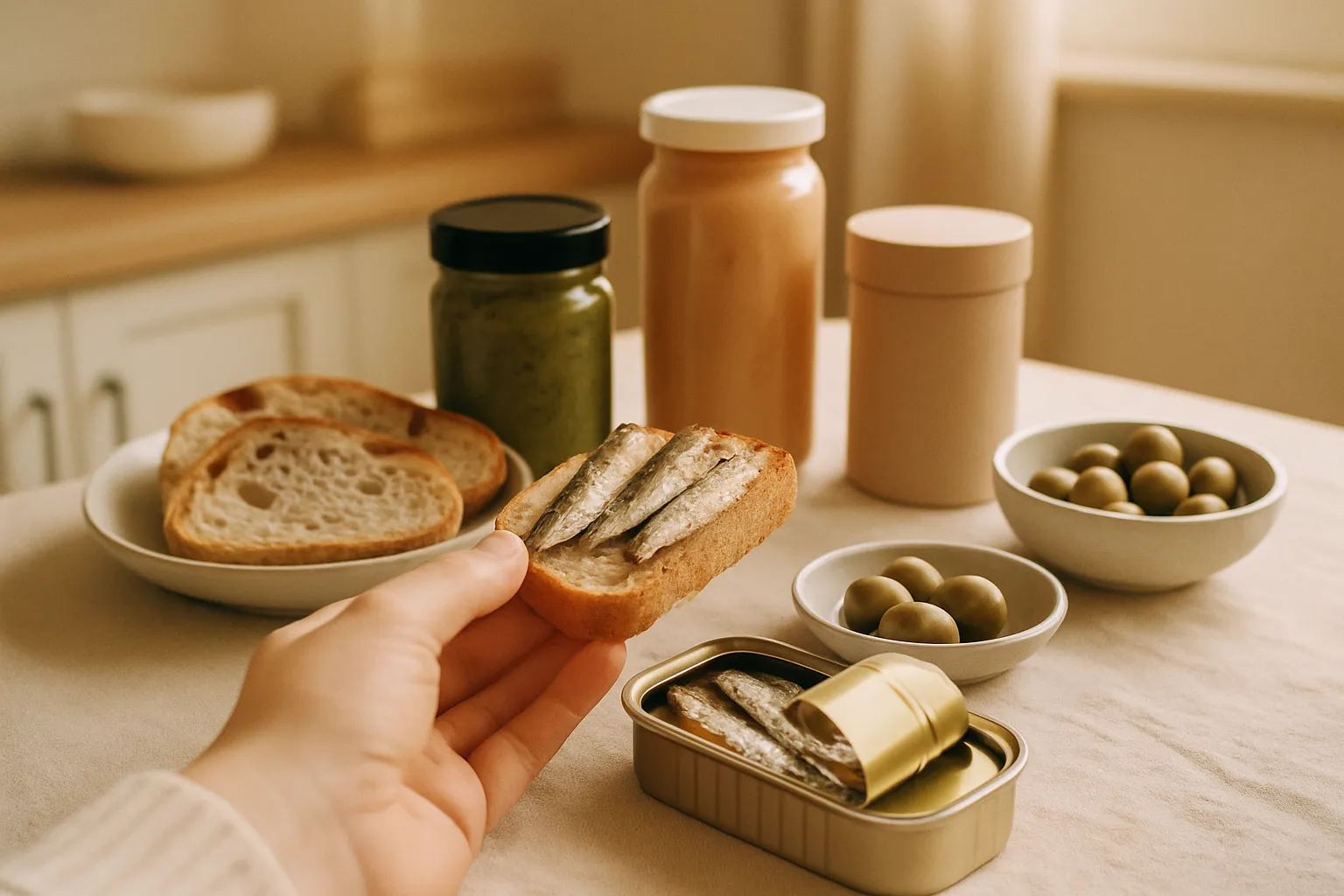
Pantry products on short-form video sell when you lead with sensory cues, no-cook utility, and real serving moments — not the jar sitting on a shelf. Match the right short-form format to the product and the taste, texture, and use case does the convincing.
Selling pantry products on short-form video is a strange challenge: tinned fish, sauces, and pantry products don't sizzle, steam, or change color the way a fresh dish does. The hero often arrives sealed in a jar, a tin, or a pouch, and the most honest shot of it is a label on a shelf — which is the least appetizing thing you can put on camera. Yet these are exactly the products people buy on impulse, keep for months, and reach for on a tired weeknight. The job of food-first UGC here is to translate a closed container into taste, texture, and use case in under fifteen seconds. That means showing the spoon pulling through the sauce, the tin peeling open, the cracker getting loaded — the moments that prove the product is good without a single claim. This guide walks through why pantry food is hard to film, the sensory cues that make it pop, and the short-form formats that actually move it.
Why pantry products are hard to sell on short-form
Fresh food has built-in motion: melting, steam, a knife through something crisp. Pantry products are static by design — that's the whole point of a pantry. A jar of harissa looks identical full or nearly empty, and a tin of anchovies gives you nothing until it's open. The second problem is that the packaging is doing a lot of the brand's heavy lifting in retail, so creators default to filming the packaging, which reads as an ad and gets scrolled past. The third is unfamiliarity: a lot of pantry staples (tinned mackerel, fish sauce, a specialty vinegar) sit just outside a viewer's habits, so the video has to answer "what do I even do with this?" before it can sell. Short-form punishes hesitation, so a pantry video that opens on a static product shot has already lost. The fix is to treat the container as a prop, not the subject — the subject is the product-in-context, in a real kitchen, being used.
Sensory cues that make pantry food pop on camera
Because the product won't move on its own, the creator has to bring the sensory information to it. These are the cues that translate a shelf-stable item into something a viewer can almost taste: - The pour and the drag: oil sheeting off a sardine, a thick sauce slowly falling off a spoon, honey ribboning into yogurt. Viscosity is texture you can see. - The peel and the crack: a tin lid rolling back, a wax seal breaking, a jar lid popping. The reveal is its own micro-payoff. - Glossy surfaces and flecks: chili crisp's oil and sediment, the grain of a coarse mustard, salt crystals on a cracker. Detail reads as quality. - The load and the bite: cracker, spoon, or bread carrying the product to a mouth. This is the single most convincing shot for any pantry food. - Sound as flavor: the scrape of a knife, the clink of a fork on the tin, the crunch of the cracker. Audio sells crunch and richness that the picture alone can't. A good food-first UGC creator builds the whole video around two or three of these, not the label. For more on stretching one item across multiple cues, see one product, ten angles.
No-cook utility as the hook
The most powerful angle for most pantry products is that they require no cooking. Tinned fish on toast, a jarred sauce over store-bought gnocchi, chili crisp on a fried egg, a dip assembled straight from the jar — these are no-cook content moments, and they win because they show the lowest-effort path to a good outcome. Open on the end of the lazy day, not the recipe: "I'm not cooking tonight" lands harder than "here's a 30-minute meal." No-cook framing also widens the audience, because it speaks to people who don't consider themselves cooks and just want dinner solved. For pantry brands, this is often the difference between a video that gets saved and one that gets skipped, because a save is someone telling themselves "I could actually do that." Lead with the shortcut, show the assembly, and let the product be the thing that made it easy.
Serving moments and quick assembly
If no-cook is the hook, the serving moment is the proof. A pantry product earns its place by becoming a real plate, board, or bowl — not a styled hero that no one would ever eat. Film the quick assembly in close, continuous shots: spoon the sauce, layer the crackers, top the toast, drizzle the oil, then pull back to the finished thing in real kitchen context. The assembly is where the use case gets answered, and it's also where the product gets used (the jar emptying, the tin scraped) which is far more honest than a pristine full jar. Keep it achievable on purpose — too perfect and it reads as staged. Three components and under a minute of real time is the sweet spot. This is the heart of product-in-context UGC: the product shown doing its actual job, in the kind of setting the viewer recognizes as their own.
Creator hooks by product type
Different pantry categories need different opening moves. A few starting points by product type: - Tinned fish UGC: open on the tin peeling back, then go straight to the load — sardine on buttered toast, mackerel on crackers, the "tinned fish date night" board. Texture (flaky, oily, firm) is the whole sell. - Sauce UGC: lead with the drag and pour, then the one-ingredient upgrade — sauce over plain pasta, dolloped on eggs, swirled into rice. Show it transforming something boring. - Condiments (chili crisp, mustard, hot honey): the "put it on everything" montage works because the product is versatile by nature; rapid serving moments across several foods. - Dry staples (grains, beans, crackers, pasta): these need the most help, so anchor them to a finished dish and a clear shortcut — the 10-minute bowl, the pantry-only dinner, the snack you assemble from three jars. If you're not sure which hook fits, the food UGC format chooser maps product types to angles.
Lighting and sound for pantry food
Pantry products live or die on surface detail, so lighting is doing the work fresh-food steam usually does. Soft, directional light — a window to the side — brings out the gloss on an oil-packed fish, the flecks in a chili crisp, the grain of a coarse mustard. Avoid flat overhead light, which kills the sheen that signals richness. A single highlight on a glossy sauce reads as "delicious" far better than a perfectly even, shadowless frame. Sound matters just as much: a short-form food video that captures the tin scrape, the cracker crunch, and the knife on the jar gives the viewer the texture the picture can't fully carry. Record clean audio in the moment rather than adding it later — viewers can tell, and the honesty is part of why food-first UGC outperforms polished studio ads. Keep both simple: one good light source and real captured sound beat an over-produced setup nearly every time.
Which formats pair best with pantry products
Not every short-form format suits a shelf-stable item. The ones that consistently work for pantry products: the no-cook "lazy dinner" build, where the hook is effort saved; the one-product upgrade, where a single sauce or condiment transforms a basic base; the quick board or snack-plate assembly, ideal for tinned fish and crackers; and the honest taste test, where the creator actually reacts to taste and texture on camera. What to avoid: long recipe formats that bury the product, and static product showcases that look like packaging shots. The rule of thumb is that the format should put the product in motion within the first three seconds — opening, pouring, loading, or biting. For real examples of these formats in action, see our food UGC examples. If you've got a tinned fish, sauce, or pantry line and want short-form content that shows it being used in a real kitchen, tell us what you need and we'll match the product to the right format.
Frequently asked questions
How do you make tinned fish look appetizing on short-form video?
Lead with motion and texture, not the can on a shelf. Open on the tin peeling back, capture the oil sheen with soft side light, then cut straight to the load — the sardine or mackerel going onto buttered toast or a cracker — with real captured sound. The flaky, oily texture and the bite are what sell it, so build the whole clip around those rather than the label.
What's the best hook for pantry products with no cooking involved?
No-cook utility is usually the strongest hook. Open on the lazy-day premise — "I'm not cooking tonight" — then show the quick assembly: sauce over store-bought pasta, chili crisp on a fried egg, a dip straight from the jar. It widens the audience to people who don't see themselves as cooks and drives saves, because the viewer thinks "I could actually do that."
Why do sauces and condiments do well in short-form food content?
They're versatile by nature, which makes the "put it on everything" montage easy and convincing. Sauce UGC works when you lead with the pour and drag — the viscosity reading as texture — then show the one-ingredient upgrade across a few quick serving moments. The product visibly transforms something boring, which is a clear, fast use case for short-form.
How important is sound for pantry food videos?
Very. Because the product is static, audio carries texture the picture can't — the tin scrape, the cracker crunch, the knife on the jar. Record it clean in the moment rather than adding it afterward; viewers can tell, and the honesty is part of why food-first UGC tends to outperform polished studio ads for shelf-stable products.
Which short-form formats work best for shelf-stable pantry products?
The no-cook lazy-dinner build, the one-product upgrade, the quick snack-plate or board assembly, and the honest taste test all work well. Avoid long recipe formats that bury the product and static showcase shots that look like packaging. The key rule is to put the product in motion — opening, pouring, loading, or biting — within the first three seconds.
Written by the Pantry Social Studio team — a food-first UGC and creator studio working with grocery, snack, beverage, pantry, kitchen, and CPG brands. We brief and produce creator content for organic and paid social.
Related Pantry Notes
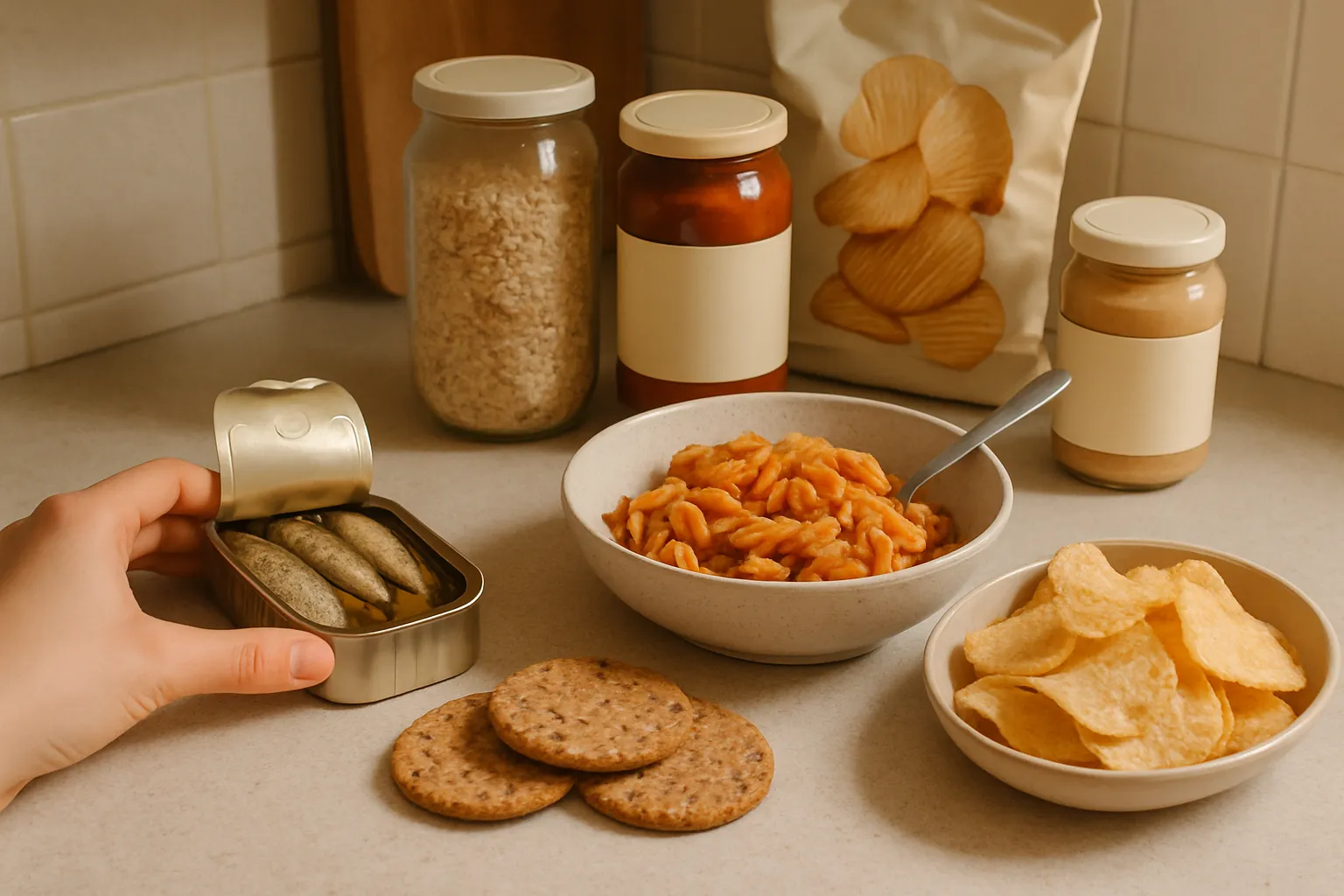
Grocery & Pantry
Why specialty food brands need product-in-context UGC
For pantry staples, tinned fish, sauces, snacks, and condiments, context often matters more than polish.
7 min readFor brands
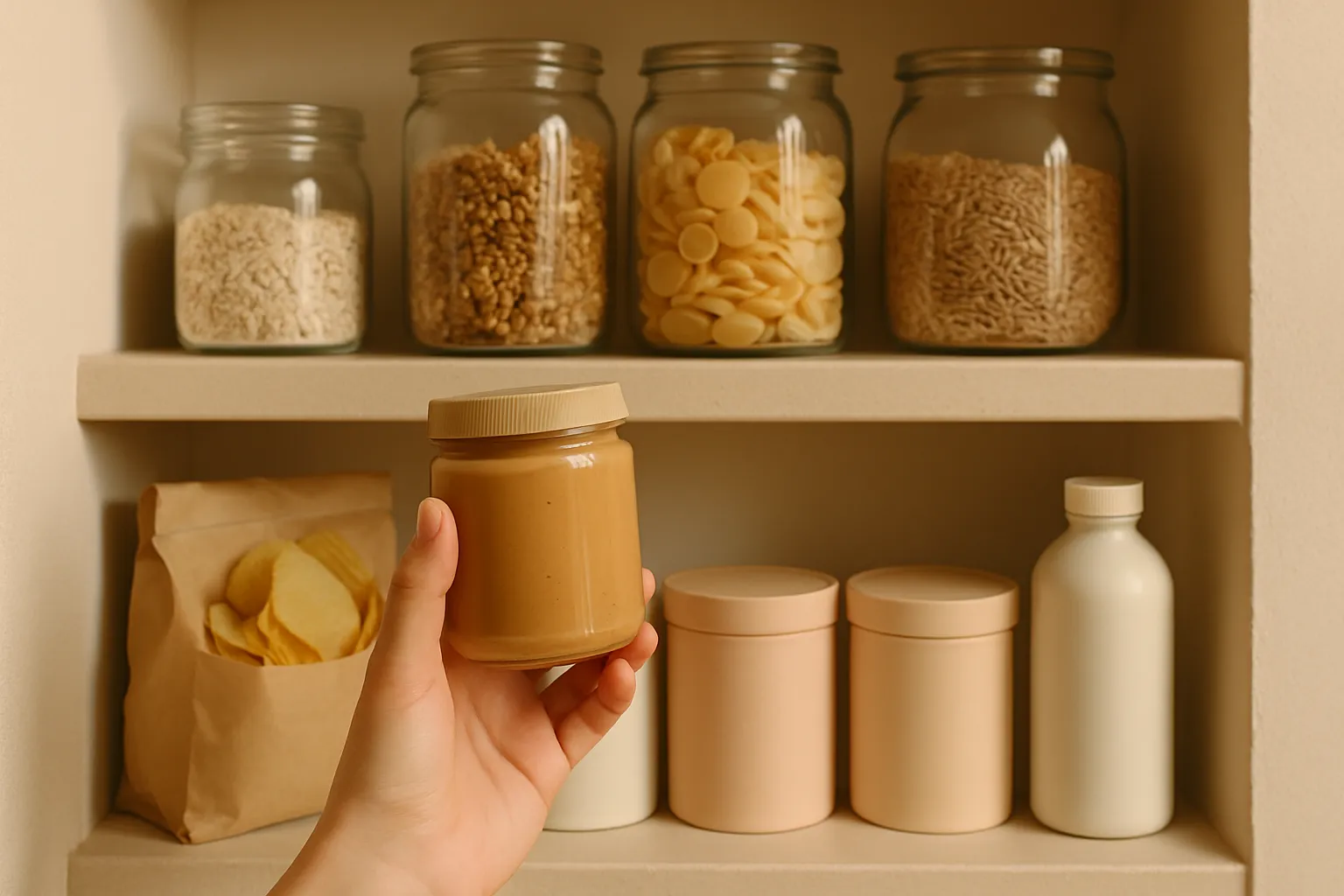
Creative Formats
Taste test, haul, restock: which food UGC format should you use?
How to choose between creator reactions, grocery hauls, pantry restocks, product demos, and comparison videos.
6 min readFor brands
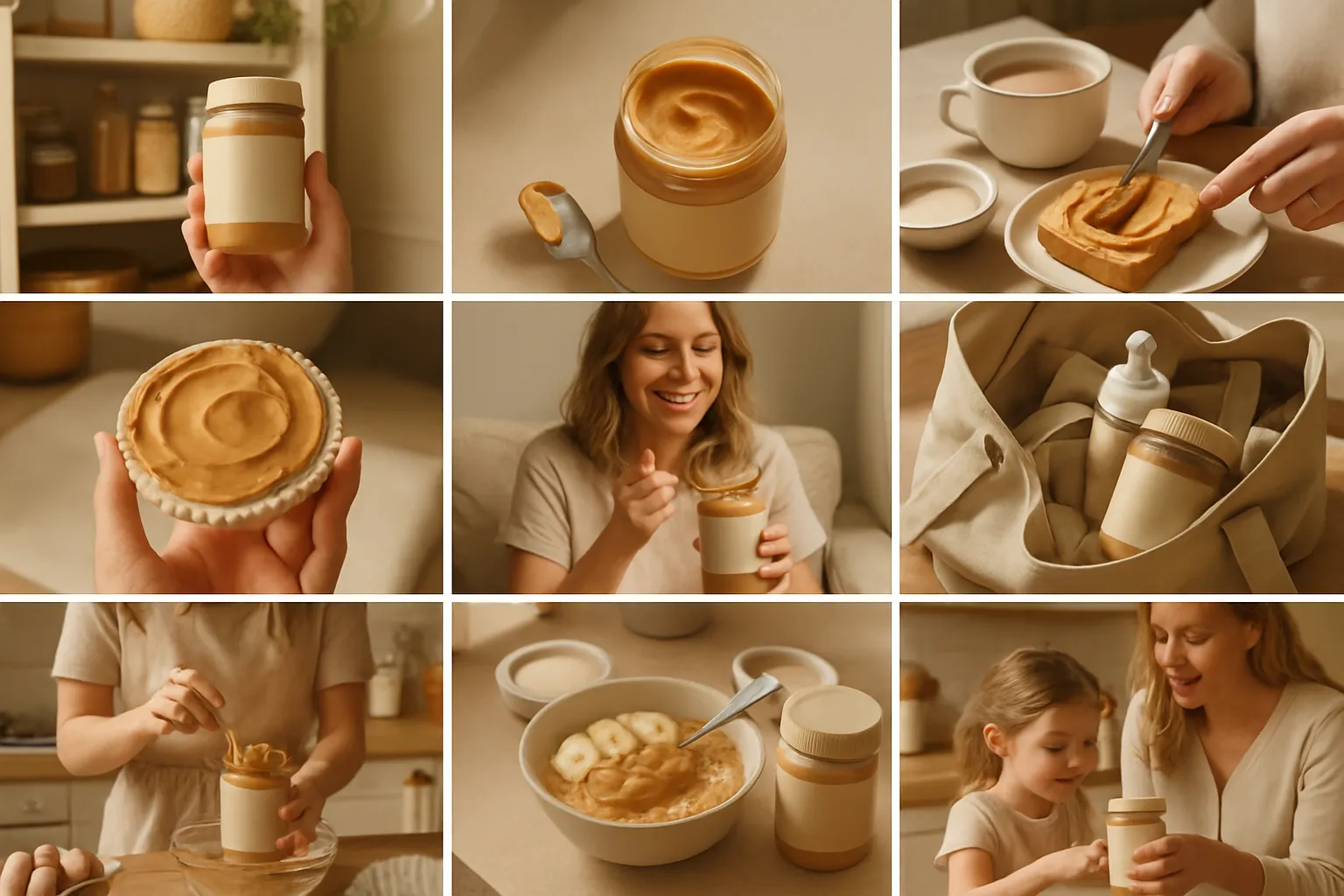
Food UGC Strategy
How to turn one grocery product into ten creator angles
A framework for turning a single product into hooks, use cases, household moments, and platform-ready content variations.
6 min readFor brands
Brands: source food-first UGC
Tell us what you need and we'll help identify creator fits by category, format, style, platform, and usage.